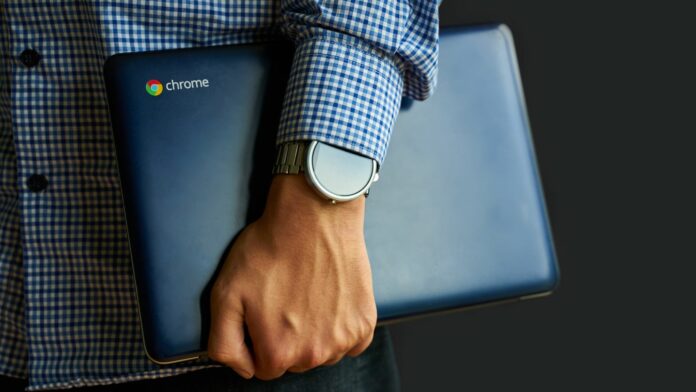
The best Chromebooks are considered the most user-friendly devices on the market, making them one of the best laptops for those looking for a simple but effective computing experience.
Whether you’re a student, professional, or casual user, browsing and using the Chromebook’s many features can dramatically increase your productivity and streamline your daily tasks.
One of the most attractive features of the Chromebook is its simplicity. Unlike traditional laptops and desktops, Chromebooks are designed to be easy to use and not require too much effort, like many other laptops.
The Chrome OS operating system is very lightweight and is based on the same technology that underlies the Chrome web browser. This makes it immediately intuitive and familiar to many users.
Chromebooks also boot up faster and require much less maintenance than Windows laptops or MacBooks.
In addition to their simplicity, Chromebooks are also known for their portability. These devices are typically lightweight and compact, making them particularly attractive to those who need a lightweight device to work on the go.
However, if you’re used to the best Windows laptops or the best MacBooks, you might feel a little lost when you turn on a Chromebook for the first time. But don’t worry, I’ve been using Chromebooks for years and I’m here to help you learn more about these increasingly popular devices.
Important tips for using a Chromebook
- Keyboard shortcuts: try them important keyboard shortcuts to navigate and complete tasks more efficiently.
- Chrome Extensions: Get some of the best Chrome extensions that add new features to Chrome.
- Regular updates: Keep your Chromebook operating system and software up to date to receive the latest features and security updates.
- Cloud Backup: Use Files’ Google Drive integration to regularly back up your important data and protect it against accidental loss or hardware failure.
- Troubleshooting: Please familiarize yourself with this general information (or at least bookmark it). Chromebook Troubleshooting Techniques to solve any problem.
Advanced Chromebook Features
Although the Chromebook is designed to be easy to use, there are advanced features that can further enhance your Chromebook experience.
- Accessibility features: Chromebooks offer a variety of accessibility features, including screen readers, magnification tools, and keyboard shortcuts for users with disabilities.
- Multiple users: If you share your Chromebook with others, you can create multiple user profiles to keep your data separate and secure.
- Remote Desktop: Access your Chromebook from another device with remote desktop capabilities so you can work on your files and apps from anywhere.
- Play on Chromebooks: While Chromebooks aren’t as powerful as dedicated gaming consoles, they can handle casual gaming and cloud gaming services.
- Teaching material: Chromebooks are popular among students and teachers due to their affordability, portability, and integration with educational tools like Google Classroom.
Navigating the Chromebook interface
The Chromebook’s interface is designed to be intuitive, making it easy to use for all experience levels.
The shelf at the bottom of the screen is the ChromeOS version of the macOS Dock or Windows 11 taskbar and displays frequently used apps and shortcuts.
To access all installed apps, simply click on the app launcher icon at the far left of the shelf.
The search bar is a valuable tool for quick and easy navigation. By entering keywords, you can search for applications, files or web pages, streamlining your workflow and saving time.
Additionally, the taskbar in the lower right corner provides access to important settings such as Wi-Fi, battery status, and user profiles.
Use native apps
One of the Chromebook’s greatest strengths is its app ecosystem.
Chromebooks were originally designed to be web app-based and provide a smooth and efficient experience. Popular web apps like Google Docs, Gmail, and YouTube are optimized for Chromebooks and offer a wide range of productivity tools.
However, in recent years, more and more apps are available offline, including the entire Google Play app store, greatly expanding the functionality of a Chromebook. You can download and use popular apps like Microsoft Office, Spotify, and Netflix, just like you would on an Android smartphone or tablet.
For more advanced users, Chromebooks support Linux apps. This feature is particularly useful for developers or users who need access to powerful tools like Visual Studio Code or GIMP.
Setting up Linux on a Chromebook is relatively easy and allows you to create a hybrid environment that appeals to both casual and power users.
Efficient file management in the cloud
The Files app is your central hub for organizing and accessing local and cloud-based files.
Google Drive is seamlessly integrated into the Files app and offers enough storage space for your documents, photos, and other data. By storing your files in Google Drive, you can access them from any device with an internet connection.
While Chromebooks once offered limited local storage, that has changed in recent years as more premium Chromebooks offer the same storage options as the most popular Windows and Apple laptops.
For those who need even more storage space, Chromebooks support external devices such as USB drives, external hard drives, and SD cards. Simply plug in the device and the Files app will automatically detect it, allowing you to transfer files between your Chromebook and the external device.
Customize your Chromebook
To make your Chromebook truly yours, you can customize its appearance and settings. You can change the wallpaper, adjust the screen brightness, and even activate dark mode for a more pleasant viewing experience.
Additionally, Chromebooks offer a variety of themes and extensions that can be installed to further personalize your device. This will allow you to customize your Chromebook to your liking, especially now that you know all the important tips to get the most out of your new Chromebook.
