
The first part of our Keep Calm and Count Kilowatt series found that AI suggestions represent only a small portion of a person’s daily energy consumption. The second part examined the behavior of AI’s electrical, water and carbon footprints on a global scale.
But the real environmental impact here is not the small amount of energy a single unit consumes; It is about the massive, concentrated impact that new data centers can have on the cities and specific ecosystems where they are built.
Disproportionate impact
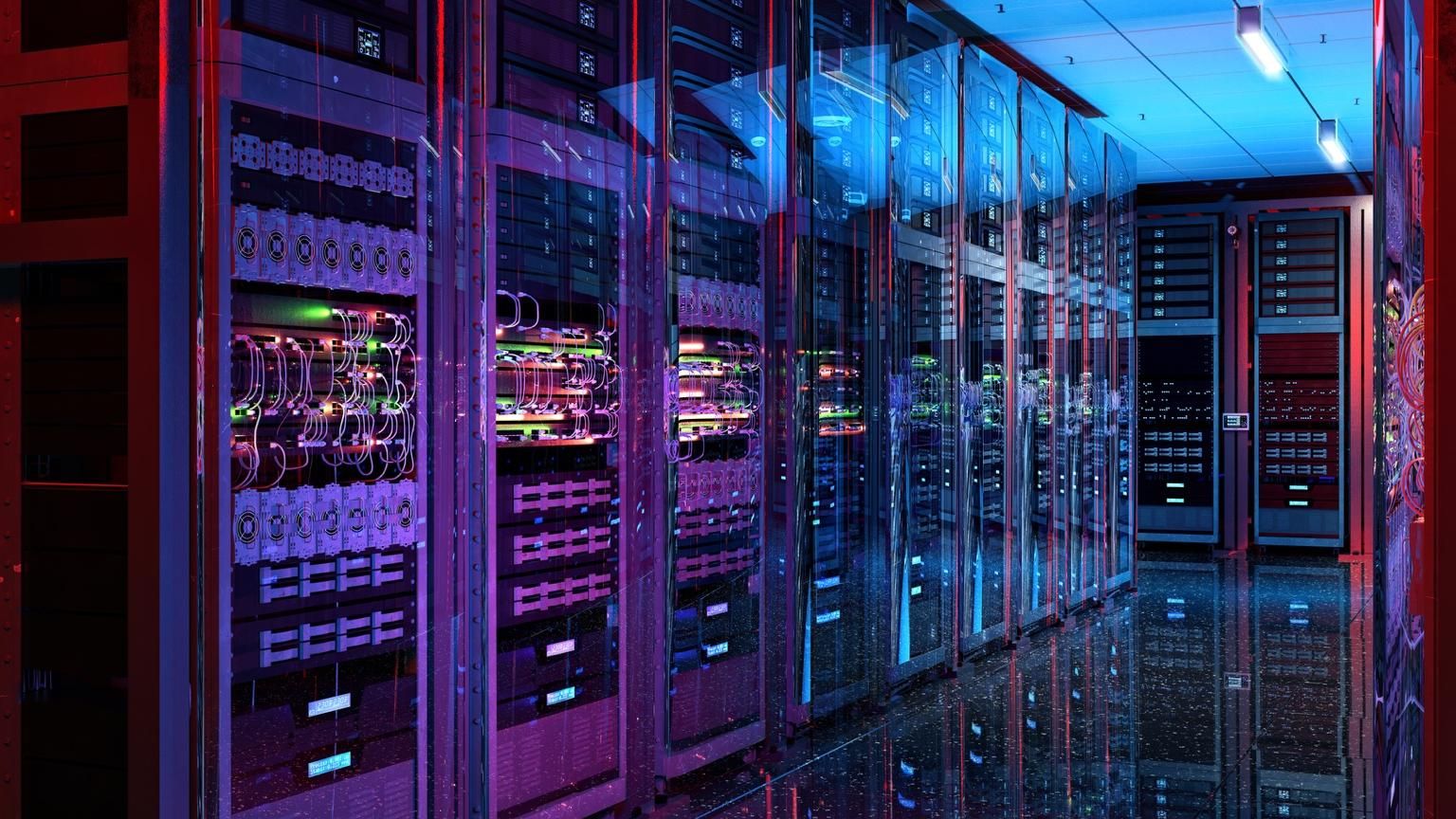
AI-specific data centers leave a larger, more complex footprint than other types of data centers and are large industrial facilities that affect power grids, water supplies, and air quality.
There are two main problems. Power density: Running AI often means packing many powerful GPUs into a small space, and the resulting data center can consume far more power than a similarly sized data center just streaming Netflix.
Operators are already finding that this kind of concentrated demand is forcing them to rewire substations and postpone new construction, as AI-powered data center expansions don’t always have the capacity to operate at full capacity.
In fact, enterprises need to rethink the power and cooling of AI workloads, and AI is causing increased emissions in data centers.
Second, it is possible to build a data center that focuses on training AI models rather than delivering content to users where other data centers cannot, and these areas are often less equipped to handle the impact.
Similar effects Air pollution caused by portable gas turbines It was used when an AI data center was built in an area where the power grid could only meet 4% of the electricity demand. Places like these could end up importing diesel, burning gas on-site and competing with local residents for already overburdened infrastructure.
And while data centers don’t use a lot of water compared to other industries, they’re often built in areas where they can have a big impact on the few resources available.
It’s easy to blame these consequences solely on AI, but the underlying problem lies in lax (and many would say corrupt) laws and regulations (not to mention politicians in office) that make it cheaper for companies to damage the environment rather than fight for sustainability.
In fact, AI (and data centers in general) do not need to use water for cooling and cannot generate CO2 emissions: it simply costs more and reduces profits.
Can data centers go green?
There is currently a race to build as many new GPU farms as possible, which is expected to triple local energy demand by 2035. Avoiding the negative effects of this increase is not unknown or even difficult: it is a well-documented technique.
What’s critical are things like better network planning so that energy-hungry data centers don’t overload local supply, options like dense but efficient water-cooled racks that waste less energy in the form of heat, and regulations/incentives that make it more profitable for companies to use renewable energy and rely less on local resources like water.
Although this more environmentally friendly approach is not yet sufficient, it is already being implemented. Google has a seemingly on-again, off-again relationship with its “don’t be evil” mantra, but the company is educating about it. 66% of the electricity comes from renewable sourcesand exceeds this by up to 100% with offset. Google is also experimenting with campuses right next to wind and solar farms.
But for now, these greener approaches are (mostly) not being implemented voluntarily, because if the grid fails to meet AI’s growing demand for energy, future gains could be lost.
And just because they’re trying something doesn’t mean they’ll keep doing it: Microsoft stopped testing underwater data centers for Project Natick, even though they were a success.
The missing step is still government regulation and incentives. If implemented correctly, it makes sense to balance data center growth with environmental responsibility and avoid negative impacts on the local environment.
And despite political opposition, renewable energy production continues to increase at a rapid and encouraging rate and is expected to be more than sufficient to meet new demand (including through artificial intelligence) for the rest of the decade.
Data centers can also support the local environment, and waste heat can be a valuable community resource for heating homes and even greenhouses.
What happens next?
A sustainable AI future also means using the technology to reduce emissions faster than they increase them. This could include training on energy-intensive models in areas where green energy is abundant and then using artificial intelligence in a way that helps strengthen and improve existing efforts to reduce environmental impact.
It also means more conversations need to be had about the true impact of data centers: AI companies rarely talk about their energy consumption in detail right now, even though data centers account for a much larger share of global emissions and big players like Google use more electricity every year, and not just for AI.
It’s not as simple as spending more money on high-tech solutions, and balancing costs with reduced climate impact is an important and nuanced consideration in the age of AI data infrastructures.
However, AI data centers can be built in areas and in ways that support the local community, but only if appropriate regulations and infrastructure improvements also take place.
And yes, AI as a technology can have many problematic implications, but it is also a sudden new growth that has shed light on existing flawed energy systems and regulations. But by acknowledging and discussing these underlying issues, we can better focus on creating a truly sustainable future for artificial intelligence.
takeaway
The basic fact is that the demand for AI (or even hundreds of them) represents only a small part of most people’s daily use, and is small compared to luxury goods such as televisions, games and even Christmas lights.
On a global scale, AI’s energy consumption is large enough to warrant our attention, but it’s still only a small part of the collective race to see whether the technology will save us from ourselves or simply create a more enjoyable apocalypse.
Of course, you don’t have to sit and wait to see how it turns out. Take command and Compensates for CO2 emissions resulting from the use of artificial intelligence This is a rounding error given the already surprisingly low cost of carbon neutrality.
In fact, offsetting all my personal carbon emissions for a year costs about the same as subscribing to ChatGPT Plus.
So keep calm, count the kilowatts and focus on the big win: If you remember to turn off the bathroom light before you go to bed, you’ll get 250 guilt-free AI suggestions.
Don’t get me wrong: AI is mired in problems and controlled by problematic people and companies, but that doesn’t make it pessimistic. Electricity to use. Mainly.
Not convinced that AI can become more environmentally friendly? Let me know in the comments what you think is the best plan!
Even AI skeptics might like it
- Businesses are using AI more than ever and many are simply unaware of its impact on the environment.
- Data centers are increasingly becoming an emissions problem
- Demand for AI is driving the expansion of data centers, but are they powerful enough?
AI enthusiasts might also like this
- Google says its next data center will be built next to wind and solar farms
- Data centers convert waste heat into society’s energy system
- Google says it will disable the use of power-intensive AI in hotspots if necessary
How we use artificial intelligence
At TechRadar, our reporting is author-driven. AI makes it easy to search, research, fact-check, and provide spelling and grammar suggestions. A human always checks every number, source and word before publishing anything. Sometimes we use it for important jobs, like adding dinosaurs to our employees’ photos. The full description can be found in our Page about the future and artificial intelligence..