How Engineers Spent 75 Days Computing Pi to 105 Trillion Digits: A Nerdy Triumph for Pi Day
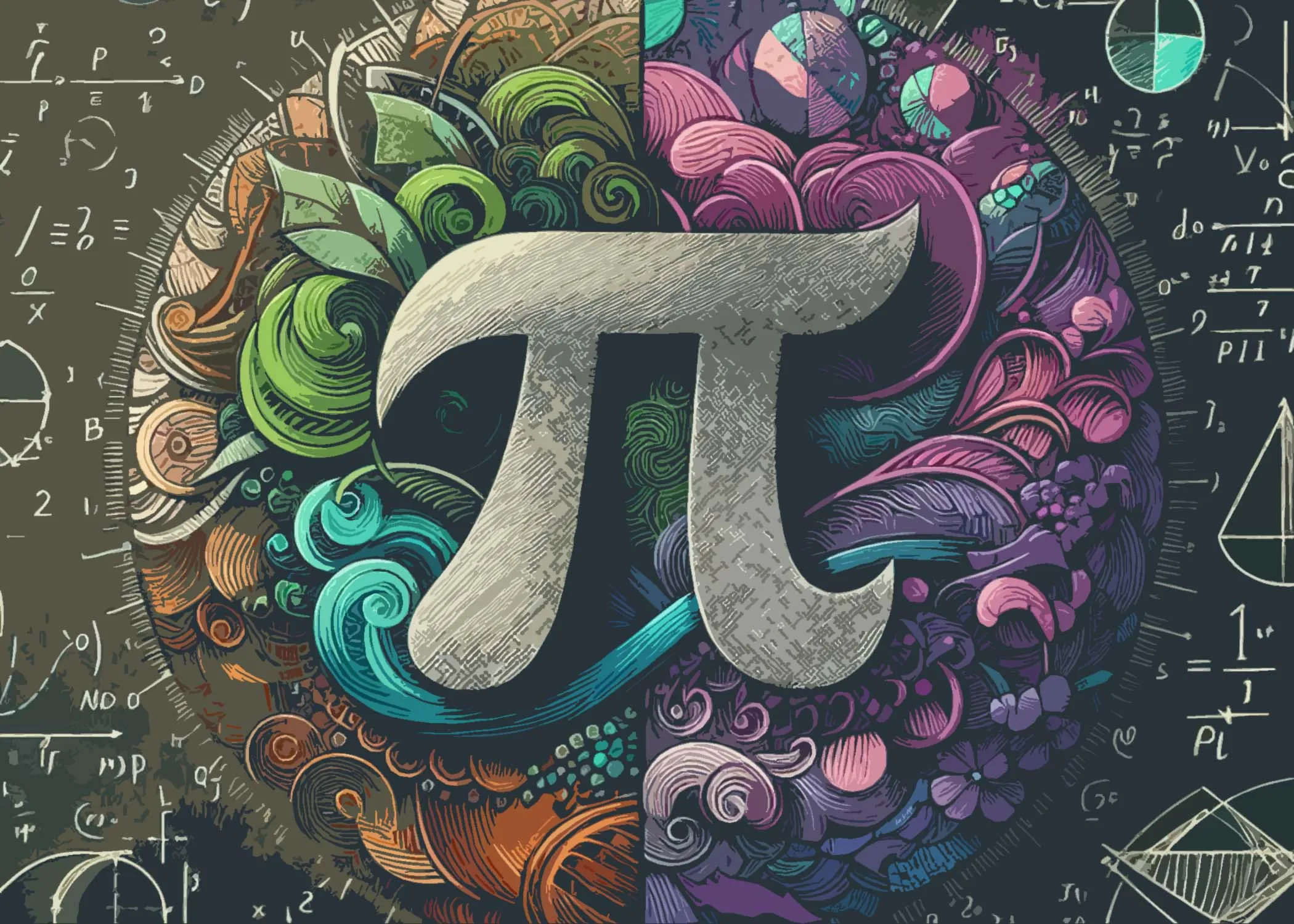
Engineers over at StorageReview opted to engage in an exceedingly nerdy pursuit for this year’s Pi Day (March 14 – 3/14) – surpassing their record in calculating Pi. Given that the prior achievement, accomplished the previous year, encompassed 100 trillion digits, this challenge was quite formidable. While – spoiler alert – they indeed surpassed the record, it did consume 75 days to achieve.
The feat was accomplished by employing a dual-processor 128-core AMD EPYC 9754 Bergamo system, outfitted with 1.5TB of DRAM and nearly a petabyte of Solidigm QLC SSDs.
Commencing their computation on December 14, 2023, the team concluded on February 27, 2024, spanning a total of 75 days. They employed the Chudnovsky (1988) algorithm to compute Pi, with the computation necessitating a total memory of 1.36 TiB.
Fresh Challenges
The pursuit of reaching 105 trillion digits of Pi – the latest benchmark – encountered novel obstacles. The team confronted performance-related hurdles, prompting them to explore the complexities of parallel computing and hardware interactions. They unearthed a CPU hazard inherent in the Zen4 architecture concerning super-alignment and its impact on memory access patterns.
Moreover, the engineers stumbled upon a critical error in floating-point arithmetic within the AVX512 code path of the N63 multiply algorithm. With remote guidance from the developer, Alexander Yee, they diagnosed and rectified the issue, resulting in a successful computation.
In conclusion, Jordan Ranous of StorageReview remarked, “The endeavor to reach 105 trillion digits of Pi proved far more intricate than anticipated. Looking back, encountering new challenges should have been expected; after all, we were undertaking a computation never before attempted. Despite completing the 100 trillion computation with a more makeshift setup, we believed we had it under control. Ultimately, it necessitated a collaborative endeavor to complete this endeavor.”
Was it worthwhile? Ranous ponders, “While we celebrate alongside our collaborators in achieving this record-breaking milestone, we must ponder, ‘What significance does this hold?’ Adding another five trillion digits of Pi likely won’t significantly impact mathematics. Nonetheless, we can discern correlations between computational workloads and the necessity for modern foundational hardware to support them. Essentially, this undertaking underscores the critical role of appropriate hardware, whether within an enterprise data center cluster or a sizable HPC deployment. In the case of the Pi computation, our progress was solely hindered by storage capacity. While faster CPUs may expedite calculations, the primary bottleneck for many new records is the available local storage.”