
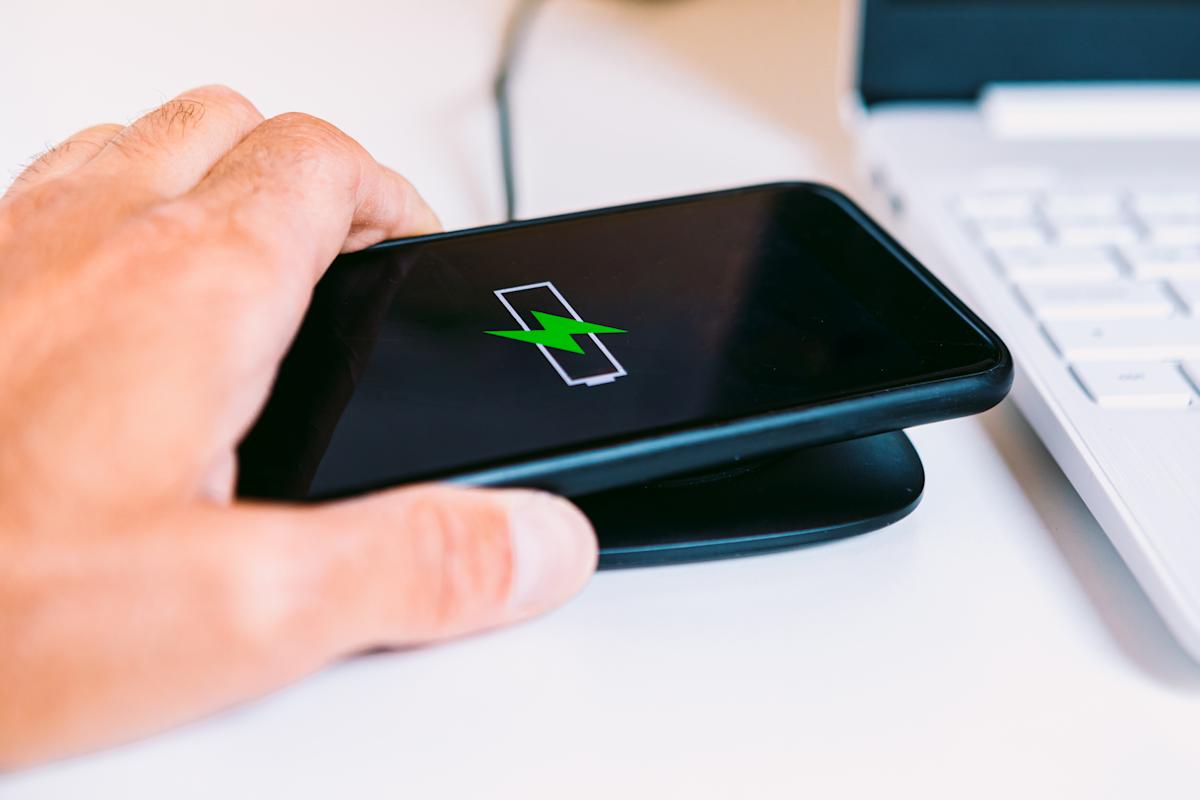
Wireless charging has become one of the small but satisfying conveniences of modern smartphones. Place the device on a surface and watch the battery level rise without having to mess with any cables or ports. But for many users, just charging does not always provide the expected speed. Sometimes the phone gets hot, the percentage barely increases, or it takes much longer to charge than if the device were connected to a wall outlet.
For the fastest possible wireless charging, you can do more than just place your phone on a surface. It’s all about using the right equipment, such as one of the best wireless chargers or the best wireless chargers for multiple devices, along with the latest standards and a setup that makes the most of your phone’s capabilities. Here’s everything you need to know to get maximum wireless charging speed for your smartphone.
How wireless charging really works
Wireless charging is based on electromagnetic induction. When you place your phone on a compatible surface, current flows through a coil in the charger and creates an electromagnetic field. Another coil in the phone captures this energy and converts it back into electricity to charge the battery. It sounds simple, but its effectiveness depends on how precisely these two coils are aligned, how much current the charger can deliver, and the phone’s ability to handle the heat that builds up in the process.
The years have passed Qi standard from the Wireless Power Consortium has defined how most wireless chargers work. Almost all major smartphone brands are Qi-compatible and you can easily combine chargers and phones from different manufacturers.
But the new Qi2 standard, launched in 2024 and expanded in 2025, changes the way energy is transferred. Qi2 uses magnetic alignment to automatically place your phone and charger in the perfect position, reducing energy waste and heat. It also enables faster charging speeds and Qi2 chargers now support 15 to 25 watts of power depending on the device.
Understand what “peak performance” really means.
Every smartphone has a built-in limit to how much power it can receive wirelessly. For example, iPhone 12 and newer models support up to 15 watts with MagSafe, and Samsung’s Galaxy S25 series achieves comparable speeds thanks to Qi2. If you use a charger that provides less current than the phone’s maximum current, the phone will charge more slowly. For example, if you use a 10W wireless charger for an iPhone 17, the maximum speed is 10W. But even if you buy the most powerful pad on the market, you won’t get results beyond what your phone’s phone can do.
Your phone’s software also plays a role. Some Android models have a “Fast wireless charging” setting that must be enabled to achieve maximum speed. Others can automatically adjust the charging speed to prevent overheating, especially if the phone gets too hot. By checking the specifications and settings of your device, you can easily ensure that it is set to consume as much power as possible.
Choose the right charger and adapter
Wireless chargers vary greatly in quality and performance. Qi2 certification is the best way to ensure that a product meets the latest safety and efficiency standards. Certified chargers are tested to ensure consistent power and protect against overheating and overcharging. Although non-certified or cheap electrodes may still work, they often do not achieve the advertised effect.
Equally important is the wall adapter that powers the charger. Many connect the charger to an older 5 or 10 watt power source, limiting the current before the phone detects it. For maximum speed, use a powerful USB-C adapter of 20W or higher, ideally designed for fast charging, as described in our guide to the best fast chargers.
The cable connecting the adapter to the charger is also important. Short, high-quality cables help minimize resistance and power loss, while longer or cheaper cables can significantly reduce speed. Most newer USB cables also list the maximum power supported in the specifications; Generally speaking, the higher it is, the better when buying a new device to charge as many devices as possible.
Designed for maximum efficiency
Even with the right equipment, the right place and environment make a big difference. Wireless charging works best when the phone’s coil is perfectly aligned with the charger’s. If both are slightly off-center, energy transfer is reduced and more heat is generated, further slowing down the charging process.
Qi2 magnetic alignment largely solves this problem by placing the phone in the right position. However, older Qi chargers still rely on manual positioning. Taking a moment to make sure your phone is centered can shave a few minutes off your total charge time.
Cases and accessories can also affect the charging process. Thick protective cases, wallets or other items with metal parts can block or weaken the electromagnetic field. Magnets not designed for Qi2 alignment can also interfere with connection. A thin, wireless compatible case, or no case at all, helps maintain the strongest connection between the coils. It’s also worth keeping the charging area clean and free of dust or small metal objects that could interfere with the signal or cause hot spots on the plate.
Heat management plays another crucial role. Wireless charging generates more heat than wired charging. If your phone overheats, the charging system automatically slows down to save battery. Placing the charger on a flat, hard surface in a well-ventilated area can help prevent overheating. Avoid wearing soft fabrics or closed desks that trap heat. Some of the best Qi2 chargers now come with small fans or heat-dissipating materials to keep the temperature stable during fast charging.
Low speed debugging
If your phone is still charging slower than expected, it’s worth checking every part of the settings. Make sure your charger and phone support the same standard. Qi2 chargers work best with Qi2 phones, but older Qi devices can still connect at slower speeds. Make sure your power source provides enough power to reach the phone’s maximum Wi-Fi speed. If your charger uses a replaceable cable, try replacing it with a certified high-performance USB-C cable.
Software updates can also affect performance. Manufacturers often optimize charging algorithms via firmware updates to improve thermal control or overall efficiency. By keeping your phone and charger up to date, you can take advantage of these improvements. And if your phone still seems unusually warm or the charging light is flashing, removing the case or cleaning the pad regularly can fix the problem.
The future of faster wireless charging
The introduction of Qi2 has narrowed the performance gap between wireless and wired charging. While a wired setup is still faster in most cases, a properly configured Qi2 setup can now come surprisingly close to a wired setup. The technology has evolved from a slow and simple novelty to a reliable everyday solution for many users. As more devices adopt the new magnetic orientation and charger manufacturers refine their designs, it will become easier to achieve maximum wireless charging performance without extra effort.
Wireless charging has always promised convenience, but now it also delivers serious speed. With the right combination of a Qi2-certified charger, a powerful power supply, proper alignment and smart thermal management, you’ll achieve your phone’s maximum charging speed every time you place it on the plate.