
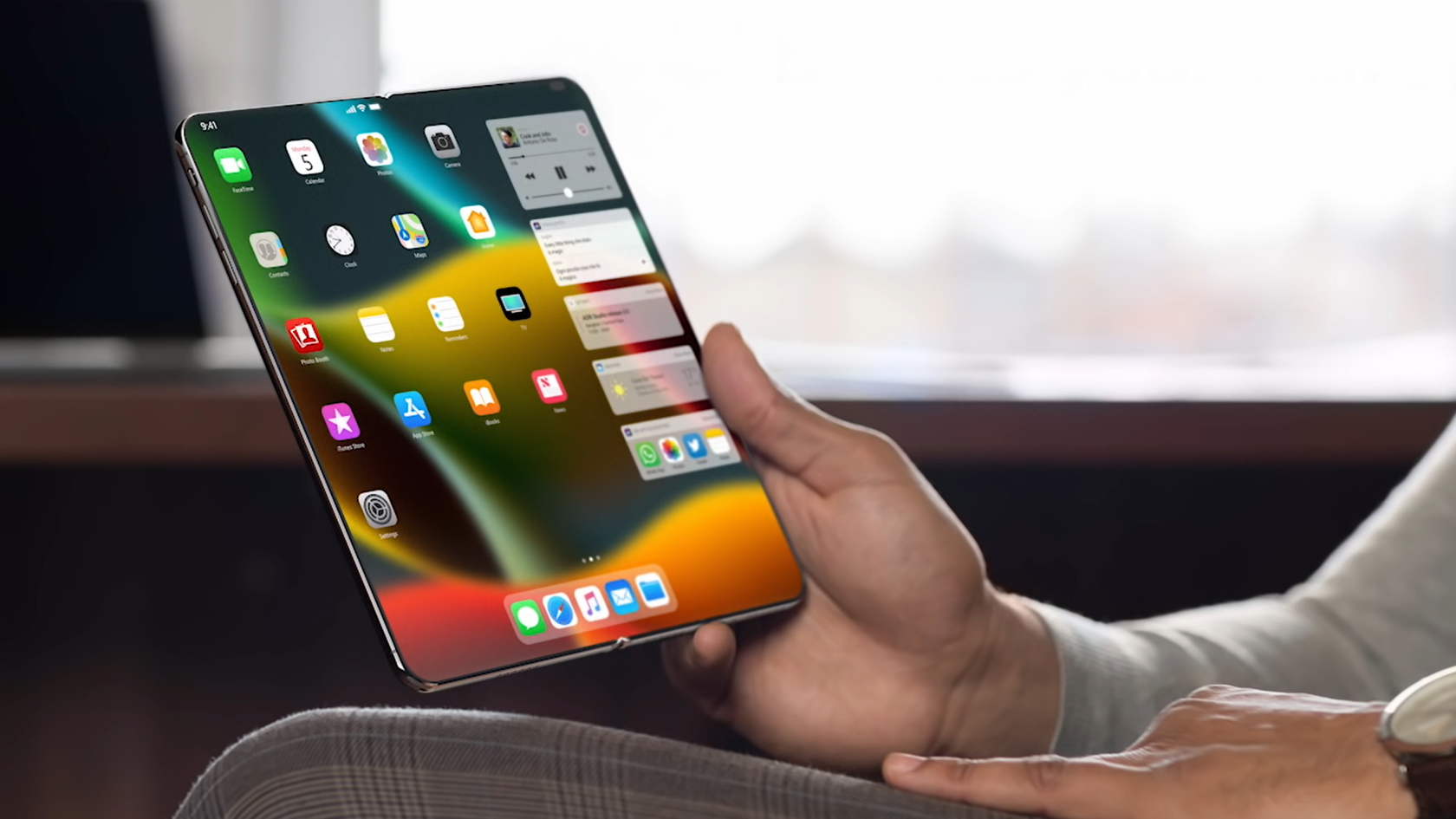
- Apple’s foldable iPhone could take 22% of the foldable smartphone market
- It should seriously compete with existing models.
- However, three points are still of particular importance.
By now, anyone who follows tech news knows that Apple is working on a foldable iPhone that is expected to revolutionize the industry with a launch scheduled for late 2026. Captures 22% of the market according to IDC estimates. Knowing Apple, this model can outperform its competitors at launch. But early generations are rarely flawless.
According to current rumors, some elements may hinder its success. Apple has not been immune to mistakes in recent years (the Apple Intelligence or Vision Pro headphones are recent examples) and it is important to avoid any obvious mistakes.
If any of the following three points were confirmed, doubt would likely arise.
1. An astronomical price
There’s no getting around it: foldable smartphones cost a small fortune. The Samsung Galaxy Z Fold 7, which is considered the best model of its kind, has a starting price of 2,099 euros, while the OnePlus Open, which is often described as an “affordable” model, has a starting price of 1,599 euros. Apple’s foldable model could easily exceed these thresholds, with several analysts pegging it at between $2,000 and $2,500 (price to be confirmed in France).
Unfortunately, given the brand’s habits, an exorbitant price seems almost inevitable. Apple usually places its products slightly above the competition. This does not happen systematically, but in the case of a foldable iPhone with integrated advanced technology, a price of around 2,500 euros seems more than likely.
2. A crease is visible on the screen.
Since they hit the market, foldable smartphones have had one very visible defect: a crease in the middle of the screen. In some cases, this stain becomes more noticeable over time. Although it remains stable, it betrays the high price of these devices with a clearly visible flaw.
According to some rumors, Apple is about to remove this famous wrinkle from its model. Knowing the requirements for rebranding, this seems reasonable. However, if the mark fails and the crease remains apparent during use, many consumers may be put off.
Such a defect would be all the more difficult to accept given that it is a product that should represent the pinnacle of Apple’s expertise.
3. Disappointing battery life
Autonomy is still an often underestimated challenge for foldable models. Unlike traditional smartphones, they need to drive multiple screens at the same time. The larger and brighter the panels, the greater the consumption, not to mention the processor, applications and other components.
Current iPhones aren’t the worst on the market in this regard, but Android models tend to come out on top. Enough to raise some concerns as the launch of the foldable model nears.
To give you an idea, tests carried out with the Samsung Galaxy Z Fold 7 suggest a range of about 11 hours of continuous internet browsing. By comparison, the iPhone Air tested under the same conditions (5G web browsing, 150 nits brightness) achieved 12 hours.
That’s pretty decent, and the work Apple did on the iPhone Air could have helped it create compact, powerful batteries for its foldable model. However, if the battery life does not live up to expectations, it can play a big role in your purchase.
Leave a Reply