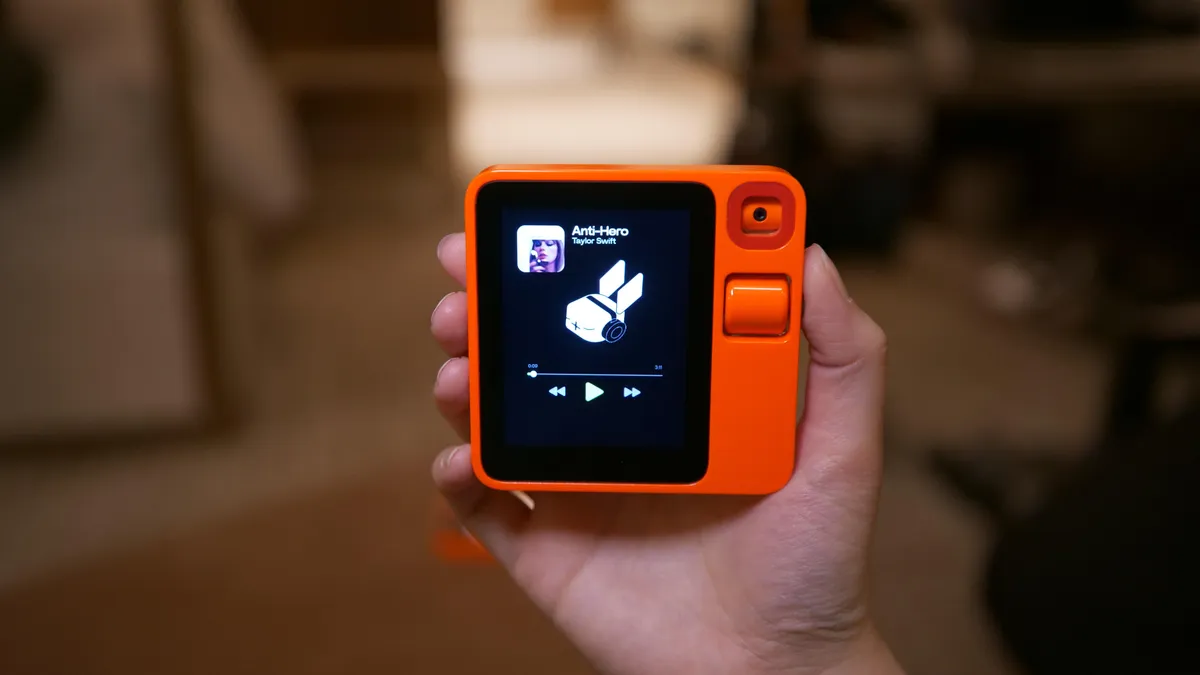
The Rabbit R1, a dedicated AI device that received lackluster reviews last year, just received a major software update that overhauls the entire operating system, Rabbit Inc. founder and CEO Jesse Lyu said Monday in a video posted on X.
In the video, Lyu acknowledges the R1’s shortcomings and says his team was overwhelmed by the hype and expectations the device received. Since then, the R1 has received 30 updates, but with RabbitOS2 the device’s operating system is getting a complete overhaul.
the old r1 is dead. Introducing a whole new experience with RabbitOS 2+ creations.
We realized there was a gap between our initial vision and the actual experience we provided. So we check everything.
0:00 flashback
0:14 facing the facts
2:18 the renewal: RabbitOS 2… pic.twitter.com/xOtyJ6Uilb
– rabbit inc. (@rabbit_hmi) September 8, 2025
RabbitOS2 is a more touch-centric interface, allowing buyers to adjust additional settings with the touchscreen instead of relying on the scroll wheel. People primarily interact with the R1 via voice and can now view the conversation flow on the screen and mute the AI assistant with the buttons at the bottom.
One criticism of the R1 was that people did not know or understand the full capabilities of the AI, as it was largely voice controlled. A new tile-based user interface allows people to quickly see the various functions the R1 can perform. By tapping on that tile, users can begin interacting where they previously needed to ask R1 to perform various functions.
One criticism of the R1 was whether it was necessary in a world where almost everyone has a smartphone. With Creations, a new feature in RabbitOS2, people can “vibrate code” on the device. For example, using their voice, users can ask R1 to code a custom game for them and, after a few minutes, it will generate one. Users need access to Rabbit Intern, the company’s AI agent, which can be accessed through the desktop. It will also be possible to install creations from other Rabbit users.
The Rabbit R1 was launched in 2024 amid a huge buzz over AI. It was presented as a dedicated wearable AI device that would use its large action model to connect with various applications and work on your behalf.
The promise of an artificial intelligence device that could browse Spotify or call an Uber through your voice helped Rabbit Inc. raise $64.7 million in five rounds of financing.
In reality, however, the AI model was buggy and the interface was confusing. Reviewers criticized the device as being half-hearted and too soon.
It was also released around the same time as another dedicated AI device, the Humane AI Pin, which was also criticized and led some commentators to conclude that AI devices were unnecessary in the world of smartphones.
It’s hard to say exactly how much the market for AI-dedicated devices is worth because AI itself is being integrated into a whole suite of products, from washing machines to smart collars and glasses.