
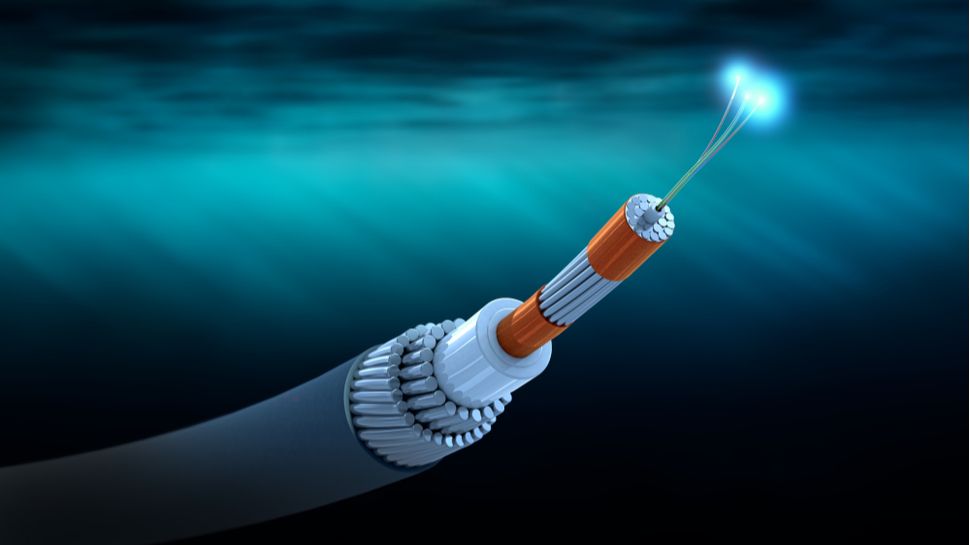
- Britain opens the Atlantic bastion Program to protect underwater cables and pipelines from Russian threats
- The initiative combines autonomous ships, advanced sensors and naval assets, with implementation planned for 2026.
- The recent episodes of sabotage of cables and power lines in the Baltic Sea underscore the urgency of the conflict between Russia and Ukraine.
The British government has begun construction of Atlantic Bastion, a new military program aimed at strengthening the security of its critical underwater infrastructure.
A press release published on UK.gov earlier this week states that the purpose of Atlantic Bastion is to protect these assets from threats from Russian submarines.
Russian submarine and anti-submarine activity has reportedly increased in recent years, and the country has been working hard to modernize its fleet “to target critical submarine cables and pipelines.” Europe’s eastern neighbor has reportedly mapped key locations for critical underwater infrastructure. The British government reported the Russian spy ship Yantar, which was recently discovered “in British waters”.
Next phase soon
This year alone, the UK will have invested “millions of pounds” in developing and testing innovative underwater sensor technology.
Atlantic Bastion will be a combination of autonomous surface ships and submarines, advanced digital infrastructure, warships and patrol aircraft. This will enable the Royal Navy to counter its adversaries “with unprecedented effectiveness over vast maritime areas”.
The next phase of action, which is expected to begin “in the coming weeks”, will see projects move from concept to implementation. Some capacities are expected to be brought into the water next year and investments will increase the following year.
In recent months, several underwater internet cables (fiber optic cables) have been damaged or cut in the Baltic Sea region. Many observers believe that there is a close connection with the Russian-Ukrainian war. In November 2024, two major submarine data cables, including C-Lion1 (connecting Finland and Germany), were discovered damaged or severed, and around the same time a fiber optic cable between Lithuania and Sweden (via the island of Gotland) was also cut.
At the end of December 2024, another accident occurred on a power cable between Finland and Estonia, and several related telecommunications cables were also reported to have been cut. Finnish authorities have seized a ship suspected of being linked to Russia’s “ghost fleet” in connection with the fiasco.
IN the record