
What is QD-OLED? An Overview of This Emerging Display Technology

QD-OLED (Quantum Dot Organic Light-Emitting Diode) is a cutting-edge display technology that merges the best features of OLED and QLED. It enhances traditional OLED by combining deep blacks and infinite contrast with quantum dot technology for brighter, more vibrant colors. Let’s break down the key elements of QD-OLED and how it stacks up against OLED and QLED.
How Does QD-OLED Work?
QD-OLED uses a self-emissive blue OLED light source paired with a quantum dot layer. This combination allows the display to generate pure red and green colors, resulting in improved brightness and color accuracy compared to standard OLED displays.
- Blue OLED Layer: Emits blue light.
- Quantum Dots: Convert blue light into red and green, creating an accurate RGB image without the need for color filters.
This process improves brightness and color purity while maintaining the high contrast OLED is known for.
Advantages of QD-OLED
- Enhanced Brightness: Quantum dots improve brightness over conventional OLED, allowing for brighter displays without sacrificing contrast.
- Superior Color Accuracy: QD-OLED produces more vivid and accurate colors, making it ideal for HDR content.
- Better Viewing Angles: Unlike traditional displays, QD-OLED maintains consistent image quality across various viewing angles.
- Energy Efficiency: The elimination of color filters reduces power consumption, making QD-OLED more efficient than other OLEDs.
Drawbacks of QD-OLED
Despite its many advantages, QD-OLED still has some drawbacks:
- High Cost: The technology is still new and expensive. Prices should drop as production scales, but for now, QD-OLED remains a premium option.
- Burn-In Risk: Like all OLED-based displays, QD-OLED is susceptible to burn-in, especially when displaying static images for long periods.
- Limited Availability: Currently, only Samsung manufactures QD-OLED panels, meaning fewer models are available, driving up the price.
QD-OLED vs OLED and QLED
While QD-OLED combines elements of both OLED and QLED, it offers unique advantages and some limitations.
- QD-OLED vs OLED: QD-OLED improves upon OLED by increasing brightness and color accuracy, while still offering the deep blacks and high contrast OLED is known for.
- QD-OLED vs QLED: QLED relies on an LED backlight, while QD-OLED is self-emissive, meaning each pixel produces its own light. This gives QD-OLED better black levels, wider viewing angles, and improved image uniformity.
However, QLED displays, particularly those using mini-LED backlighting, can achieve higher peak brightness and may offer more affordable options.
Should You Buy a QD-OLED TV?
If you’re considering a QD-OLED TV, here are a few things to keep in mind:
- Price: Currently, QD-OLED displays are high-end products with premium price tags. As manufacturing scales up, prices may decrease.
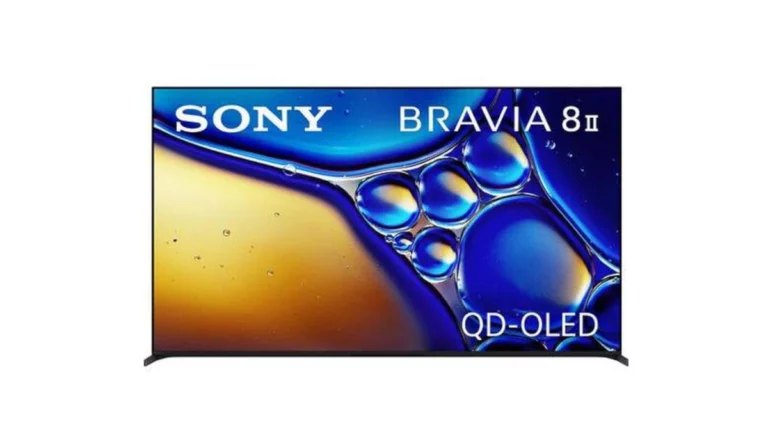
- Performance: Brands like Samsung, Sony, and Dell have adopted QD-OLED technology, offering excellent picture quality, especially for HDR and gaming.
- Future Outlook: As panel efficiency improves and more manufacturers enter the market, QD-OLED could become more affordable and accessible.
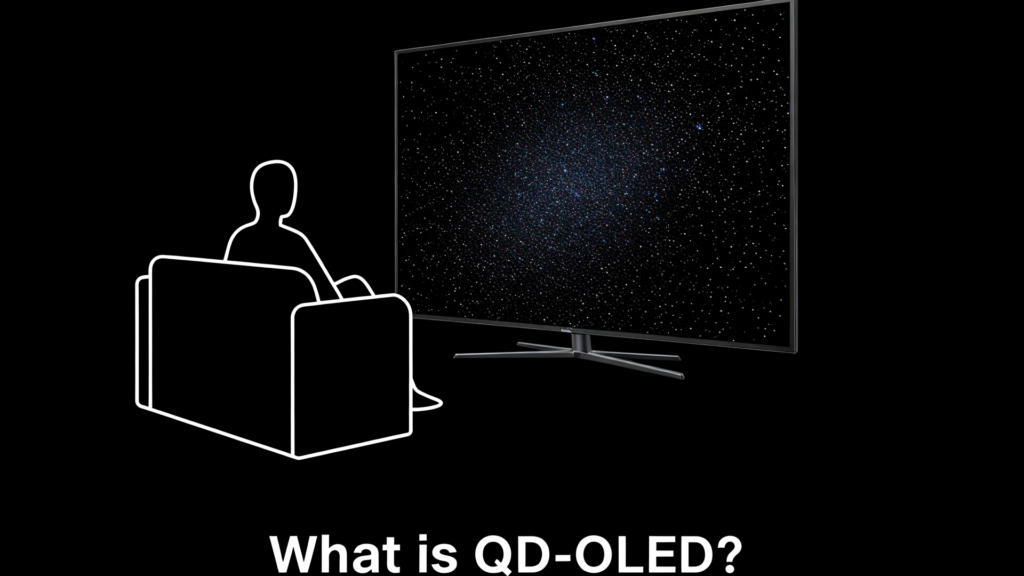
Conclusion: Is QD-OLED Worth the Investment?
QD-OLED represents a major step forward in display technology, offering a blend of OLED’s contrast and QLED’s brightness. However, its current high cost and limited availability make it a more niche option. If you’re seeking the best picture quality and are willing to invest in premium tech, QD-OLED is an excellent choice for future-proofing your TV setup.
FAQ
What is QD-OLED?
How does QD-OLED work?
What are the advantages of QD-OLED?
Superior Colors: Produces purer, more vibrant primary colors.
Wider Viewing Angles: Maintains consistent image quality from various angles.
What are the drawbacks of QD-OLED?
Burn-In Risk: Like all OLED displays, it can experience image retention with static content.
Limited Availability: Currently produced by few manufacturers, affecting price and selection.
Add comment