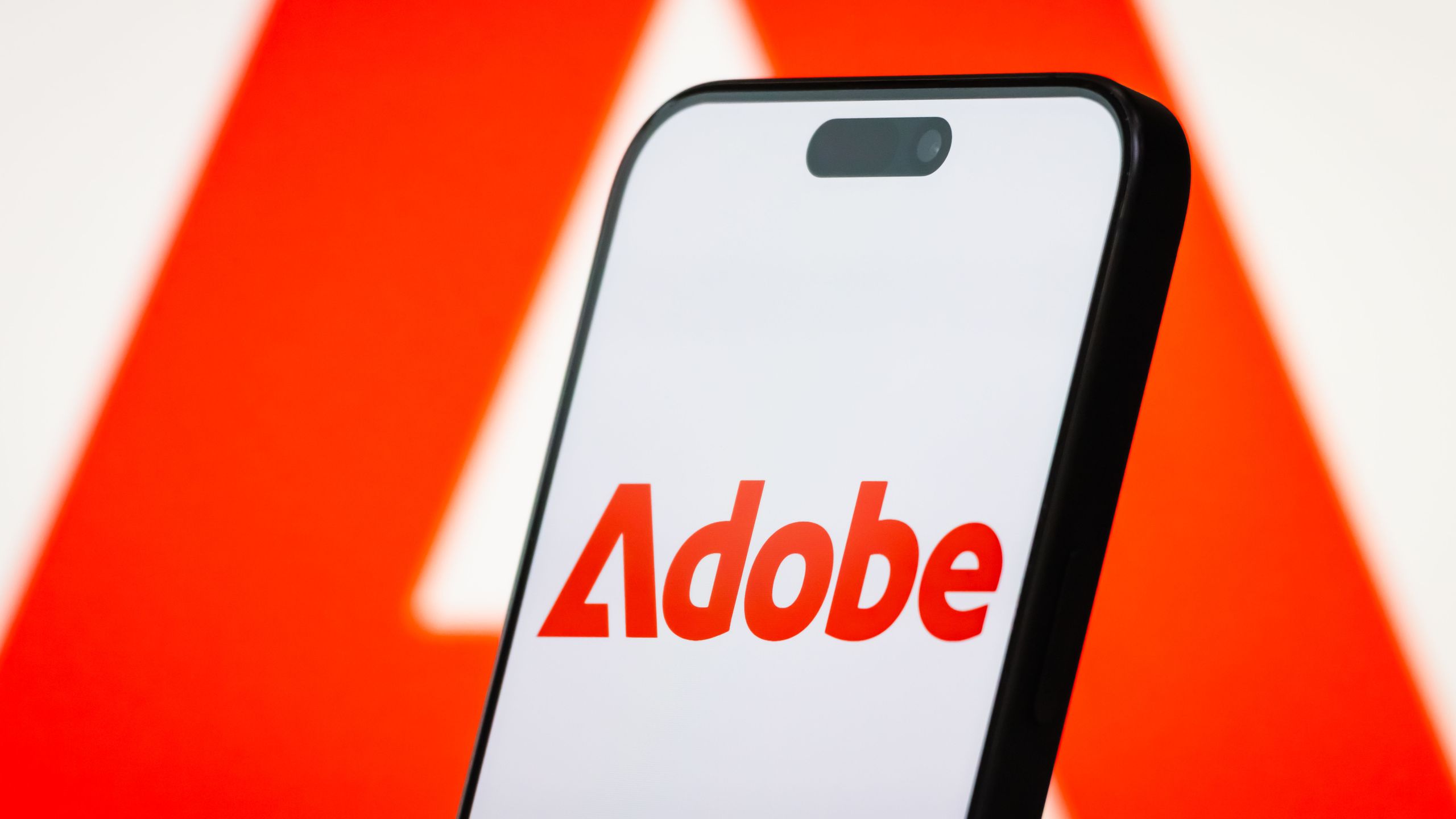
- Adobe Photoshop, Express and Acrobat are now apps on ChatGPT and are free for everyone
- The apps have sliders and controls in ChatGPT that let you adjust effects and colors.
- You can open your creations directly in the web versions of the applications.
Adobe has brought its most popular creativity and productivity apps to ChatGPT and yes, that includes Adobe Photoshop. The leading graphic design tool is now an app on ChatGPT, along with Adobe Acrobat and Adobe Express, and they’re all free.
And the best part: you don’t need to understand how these apps work. In ChatGPT, you simply describe what you want in natural language and the applications do it for you. Instead of creating a single static image or document, the apps give you sliders and controls right in ChatGPT, so you can fine-tune the results until you get exactly what you want.
Photoshop is known for image editing, while Adobe Express is designed to quickly create documents with templates that allow you to create a party invitation or invoice in seconds. Finally, Acrobat is your PDF manager and editor.
How does Photoshop work in ChatGPT?
We saw a demo of Photoshop running as an app in the web version of ChatGPT and it’s impressive. Here’s how it works:
First, drag an image to the ChatGPT message bar to upload it. You can then ask ChatGPT to make a change in Photoshop, for example: “Convert this image to black and white using Photoshop.” No knowledge of Photoshop is required.
After a while, ChatGPT will show you the photo converted to black and white using Photoshop and present you with an intensity slider that lets you control the strength of the effect.
But you can continue. When you type “Adjust image exposure”, ChatGPT thinks twice and then displays Photoshop’s exposure settings so you can change the result.
You don’t even need to know what tools you need. For example, you can upload another image and write “Add effects to image.” ChatGPT then previews five different Photoshop effects, including Tritone, Color Halftone, Glitch, and Dither. Select one and you’ll get sliders to adjust its appearance.
Photoshop-level selections can also be controlled in natural language. You can “apply a halftone color effect anywhere on the image except the hair” and ChatGPT will automatically do the masking.
Each creation includes an Open in Photoshop button that launches the file in Photoshop on the web.
Adobe Express is used
For example, if you need an invitation to a party, Adobe Express can also be used in ChatGPT. You can ask ChatGPT to come up with Christmas party invitation ideas, pick one you like and say “Use Adobe Express to create this theme.”
You can then edit the invitation in natural language. If you ask to change the background color, it will do so and also give you a variety of color options with on-screen controls.
Adobe Acrobat is used
Acrobat, Adobe’s PDF editor, works just like any other application. You can use natural language to perform tasks without opening the standalone program. Upload your resume, cover letter and references, then request to merge them into a PDF using Acrobat. You will then receive a uniform document.
The process takes a while, but once it’s done, you can even make last-minute changes to the PDF directly in ChatGPT without having to navigate to the full Acrobat interface.
Adobe’s inclusion in ChatGPT represents a significant milestone. It takes the OpenAI chatbot into new areas, expanding what’s possible and moving it from content generation to true editing, design and document workflows. While this is just the beginning, it’s not hard to imagine a future where ChatGPT becomes the place where ideas are not only created but completed without ever leaving the chatbot.