Samsung Galaxy S26 Ultra Is Here: Everything Announced at Galaxy Unpacked 2026
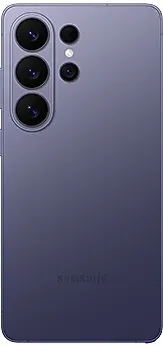
The Samsung Galaxy S26 Ultra is no longer a rumor. After months of leaks, speculation, and carefully timed teasers, Samsung took the stage at Galaxy Unpacked 2026 and delivered what many are already calling the most capable Android smartphone ever made. If you have been following the buildup, you know the expectations were enormous. Samsung did not flinch. This article covers every major announcement from the event — hardware, software, AI, pricing, and what it all means for real users.
What Samsung Galaxy S26 Ultra Actually Changes — Not Just Upgrades
Before diving into specifications, it helps to understand the design philosophy behind this release. Samsung did not simply iterate on the S25 Ultra. The company made structural decisions — moving the S Pen mechanism, overhauling the camera sensor architecture, and rebuilding the AI stack from scratch. These are choices that affect daily use, not just benchmark scores.
The chassis is now crafted from a new titanium alloy frame that Samsung calls Armor Titanium Gen 2. It is noticeably lighter than the previous generation despite adding a larger 5,100 mAh battery. The display remains a 6.9-inch Dynamic AMOLED 2X panel, but peak brightness now reaches 2,600 nits — a meaningful jump for outdoor visibility in harsh sunlight.
One detail that stood out immediately: the corner radii on the display have been slightly softened, giving the device a more ergonomic feel in one-handed use without sacrificing the flat-edge aesthetic that Ultra buyers expect. Small change, real impact.
Samsung also confirmed that the Galaxy S26 Ultra is the first Ultra device to ship with a redesigned S Pen slot positioned slightly lower on the device, reducing the chance of accidental ejection during lateral grips. Previous owners who dropped their S Pen mid-call will appreciate this immediately.
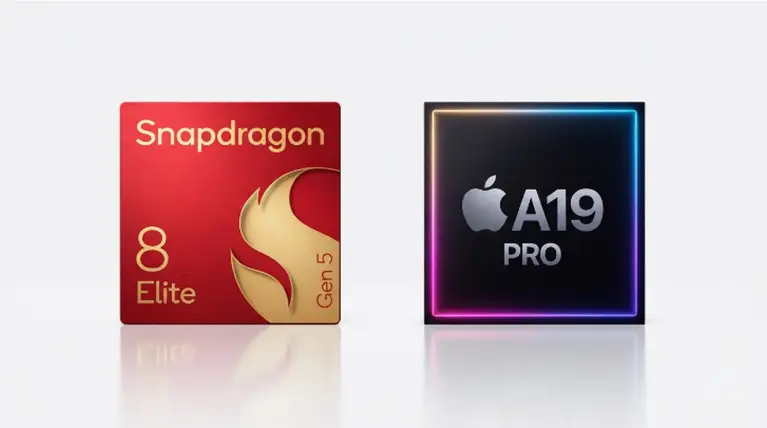
Under the hood, the device runs on the Snapdragon 8 Elite Gen 2 chipset in most markets, with Samsung’s own Exynos 2600 in select regions. Both chips are built on a 3nm process node, and early performance data suggests meaningful efficiency improvements over last year’s variants. Samsung is promising four years of major OS updates and seven years of security patches.
Samsung Galaxy S26 Ultra Camera System: A Complete Breakdown
Camera hardware is where Samsung concentrated the most engineering effort this cycle, and it shows. The primary sensor is a new 200MP ISOCELL HP9 unit with a larger pixel pitch than its predecessor. More pixels alone mean nothing — what matters is how they are binned and processed. Samsung’s new Quadra Pixel Pro binning algorithm merges sixteen pixels into one under low-light conditions, producing images with dramatically reduced chroma noise.
The telephoto configuration has also been rethought. Rather than stacking two similarly specced lenses, Samsung now offers a 10x optical periscope lens alongside a dedicated 5x mid-range telephoto. This gives the S26 Ultra genuine versatility across zoom distances without forcing the camera system to rely heavily on digital interpolation between gaps.
- Primary Camera — 200MP ISOCELL HP9: Captures at full resolution in ProVisual mode. In standard shooting, it defaults to a 12.5MP output for optimal file size and processing speed. Optical image stabilization is second-generation, with a wider compensation range compared to the S25 Ultra.
- Ultrawide — 50MP with autofocus: A significant upgrade from last year’s 12MP ultrawide. Macro capabilities are now built into this lens natively, with a minimum focus distance of 1.5 cm. Architectural and landscape shots benefit from reduced edge distortion thanks to new firmware-level lens correction.
- 5x Periscope Telephoto — 50MP: Handles portraits and medium-distance subjects. Samsung claims this lens is the sharpest in any Galaxy Ultra to date, based on MTF measurements. Bokeh rendering feels more organic than previous generations.
- 10x Periscope Telephoto — 50MP: Handles distance subjects, sports, and wildlife. At 10x optical, detail retention is exceptional. Beyond 30x digital zoom, quality drops significantly — as it does on any smartphone — but Samsung’s AI zoom enhancement partially recovers texture in daylight conditions.
- Front Camera — 12MP with autofocus: Better face detection in backlit conditions and improved skin tone rendering across a wider range of complexions. Video calling quality under artificial light is notably cleaner.

Galaxy AI 2.0: What Is New and What Actually Works
Samsung first introduced Galaxy AI with the S24 series. The S26 Ultra takes that foundation much further with what the company is calling Galaxy AI 2.0. Some of these features are genuinely useful. Others are interesting demonstrations that most users will try once.
Live Translate has expanded to support 30 languages, up from 16 at launch last year. The accuracy in conversational contexts has improved substantially, particularly for tonal languages like Mandarin and Vietnamese. If you travel frequently or work in multilingual environments, this is a practical feature, not a gimmick.
Sketch to Image Pro now supports multi-object prompts. You can draw a rough composition with the S Pen — a table, a window, a lamp — and the AI generates a photorealistic or stylized scene based on your layout. The control this gives to content creators is surprisingly precise. If you shoot alongside an action camera, it pairs well with setups like those covered in the DJI Osmo 360 Review for hybrid content workflows. It does not replace professional design tools, but it is legitimately fast for concept visualization.
Note Assist has been rebuilt with a longer context window, meaning it can now summarize recordings or documents that run over an hour in length. For students, journalists, and business professionals, that improvement alone has real daily value.
One feature to approach with calibrated expectations: AI Video Zoom. In theory, it uses frame data to enhance digital zoom in video recording. In practice, the improvement is visible mostly in static scenes. With fast movement, the enhancement processing introduces occasional artifacts. Samsung will likely address this with software updates.
Common Misconceptions About the S26 Ultra Ahead of Launch
The weeks before any flagship launch produce a predictable wave of misinformation. A few claims about the S26 Ultra were repeated widely enough that they deserve correction.
First, the S26 Ultra does not use a new under-display camera. Samsung has preserved the traditional punch-hole cutout for the front camera. Under-display camera technology still produces compromises in image quality that Samsung clearly does not accept at this price tier. Anyone expecting an all-screen front panel will need to wait.
Second, the device does not support satellite connectivity out of the box in all markets. Satellite emergency messaging is being rolled out region by region, and availability at launch depends on your carrier and country. Do not assume this feature is active on day one.
Third, the S Pen does not have Bluetooth in this generation. Samsung removed Bluetooth from the S Pen with the S25 Ultra and has continued that decision here. Air Actions are gone. The stylus is a precision input tool, not a remote control. If you depended on Air Actions for presentations, plan accordingly.
The battery does not charge wirelessly at the same speed as wired. Wired charging peaks at 65W. Wireless charging maxes at 15W with a compatible pad. Reverse wireless charging is present at 4.5W. These numbers matter when you are choosing accessories.
Practical Tips for Getting the Most Out of Galaxy S26 Ultra
Owning a capable device and using it well are different things. Here are observations that apply once you have the phone in hand.
Start by calibrating the display. The S26 Ultra ships in Vivid mode by default, which oversaturates colors. If you use this phone for photo editing or color-accurate work, switch to Natural mode under Display settings immediately. Vivid looks striking on a shelf but is not representative of how images actually appear in print or on other screens.
Use Expert RAW for serious photography. The default camera app prioritizes processing speed and accessibility. Expert RAW, available as a separate Samsung application, gives you full manual control, RAW capture, and astrophoto mode. The difference in image quality for controlled shooting scenarios is significant.
Battery optimization settings deserve attention early. Samsung’s adaptive battery management is smart, but it learns from usage patterns over roughly two weeks. During that initial period, avoid judging battery life — it will improve as the system maps your charging habits and app usage.
If you are switching from an older Ultra device, use Samsung Smart Switch for migration. It transfers not just contacts and messages but also S Pen settings, Good Lock configurations, and app data for many Samsung applications. Doing this manually takes hours and rarely produces a clean result.
If you are building out a Samsung home setup alongside the S26 Ultra, the Samsung HW-Q990F soundbar is worth considering for a fully integrated audio experience through the SmartThings ecosystem.
Finally, apply a screen protector before you do anything else. The Corning Gorilla Armor 2 glass is durable, but it is not scratch-proof. Titanium and ceramic particulates — common in everyday environments — can scratch it. A matte film protector also reduces glare and makes the S Pen writing experience feel more paper-like.
Frequently Asked Questions About the Samsung Galaxy S26 Ultra
What is the starting price of the Samsung Galaxy S26 Ultra?
The Samsung Galaxy S26 Ultra starts at $1,299 for the 256GB configuration. The 512GB model is priced at $1,419, and the 1TB version tops out at $1,659. Samsung is also offering trade-in promotions through its official store and select carrier partners that can meaningfully reduce the out-of-pocket cost, particularly for Galaxy S22 Ultra and S23 Ultra owners.
Does the Galaxy S26 Ultra still include the S Pen?
Yes. The S Pen is included in the box at no additional cost, as it has been with every Ultra model since the line began. The stylus fits into the integrated slot at the bottom of the device. As noted above, Bluetooth functionality and Air Actions have been removed from the S Pen this generation, but its precision, pressure sensitivity, and tilt recognition remain class-leading for a built-in stylus.
How does the S26 Ultra compare to the iPhone 16 Pro Max?
Both devices occupy the same premium tier and are genuinely excellent. The S26 Ultra has a more versatile camera system with greater optical zoom range and a higher-resolution primary sensor. For a detailed look at Apple’s current flagship, the iPhone 17 Pro Review breaks down exactly where Apple leads and where it still has ground to make up. The S26 Ultra wins on raw customization and S Pen functionality. The iPhone wins on ecosystem cohesion and long-term software polish. If you are also weighing Samsung’s own lineup differences, the Samsung Galaxy S25 Edge vs. Apple iPhone 16 comparison offers useful context on how Samsung and Apple have historically stacked up at their respective price points. Your existing ecosystem is often the most decisive factor.
Is the Samsung Galaxy S26 Ultra waterproof?
The Galaxy S26 Ultra carries an IP68 rating, meaning it is tested to withstand submersion in up to 1.5 meters of fresh water for 30 minutes. This rating covers accidental exposure — rain, splashes, and brief submersions. It does not mean the phone is designed for underwater use, and Samsung’s warranty does not cover water damage regardless of the IP rating. Saltwater, chlorinated water, and pressurized streams pose greater risks than the rating implies.
When does the Samsung Galaxy S26 Ultra ship?
Samsung confirmed a global shipping date of February 20, 2026, for most markets, following the Galaxy Unpacked event. Pre-orders opened immediately after the announcement. Availability through third-party retailers and carriers followed in the days after the initial shipping wave. If you pre-ordered through Samsung’s own store, delivery timelines vary by region, but the majority of pre-order customers received units within the first launch window.
What colors does the Galaxy S26 Ultra come in?
Samsung launched the S26 Ultra in four colors: Titanium Shadowblue, Titanium Silver, Titanium Jet Black, and Titanium Jade. Additional colors — including two exclusive shades — are available directly through Samsung’s online store. The Shadowblue and Jade options have been the most popular based on early sales data, with Jet Black appealing to users who prefer a conventional, professional look.
Conclusion: Is the Samsung Galaxy S26 Ultra Worth It?
The Samsung Galaxy S26 Ultra is a genuinely impressive piece of engineering. The camera system is the most complete in any Ultra device to date. The display is brighter, the performance is faster, and the battery capacity is larger — all while the device managed to shed weight. Galaxy AI 2.0 adds real utility beyond novelty, particularly for professionals who work with long-form content and multilingual communication.
That said, this is not a device for everyone. At $1,299 entry pricing, it demands serious justification. If you are coming from an S24 Ultra, the upgrade is incremental — meaningful in the camera department, but not transformative elsewhere. If you are upgrading from an S22 Ultra or older, the difference will feel substantial across every category.
For power users, content creators, and professionals who need the best Android experience available in 2026, the Samsung Galaxy S26 Ultra sets a new standard. It does not ask you to make compromises. It expects you to use everything it offers. Whether you do is entirely up to you.