
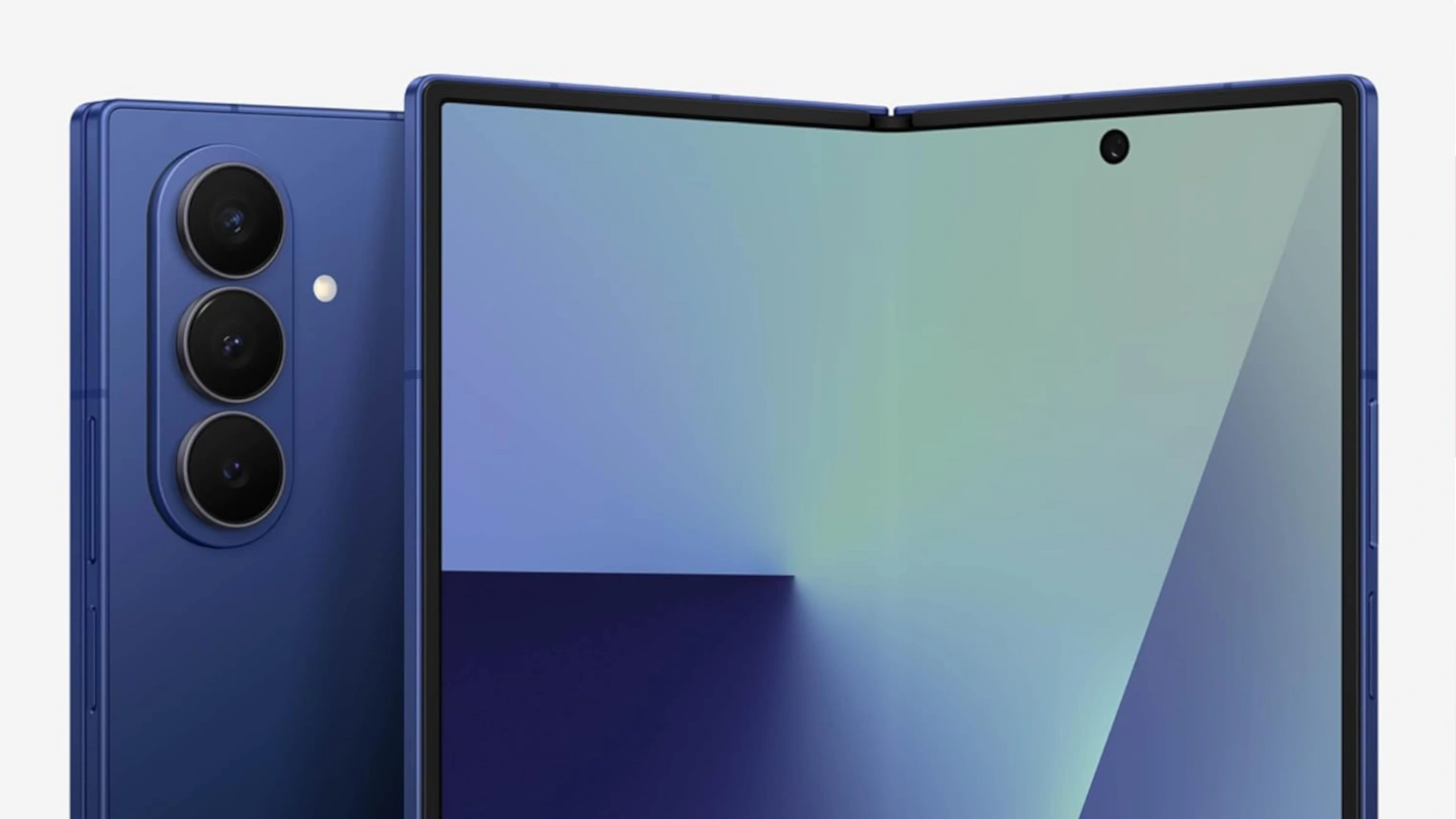
The Samsung Galaxy Z Fold 7 has landed, and it’s nothing short of remarkable. In our detailed review, we dubbed it “pretty darn close to the ultimate foldable phone,” and it’s easy to see why. After years of minor tweaks, this device feels like a total refresh.
It boasts expansive screens, revamped software, an upgraded main camera, and a zippy processor—all wrapped up in a slimmer frame that can go toe-to-toe with the Oppo Find N5.
A Hefty Price to Match Its Ambition
But brilliance doesn’t come cheap. The Galaxy Z Fold 7 kicks off at $1,999 / £1,899 / AU$2,899, cementing its status as the most expensive smartphone you can grab off the shelf. I’ll be honest—I wrote not long ago that this price tag makes it a tough sell for me personally.
Dropping $2,000, even with a tiny discount, feels like a stretch. The Galaxy Z Fold 6 already pushed the wallet hard at $1,899 / £1,799 / AU$2,749, outpacing its rival, the Google Pixel 9 Pro Fold, which debuted at $1,799 / £1,799 / AU$2,699.

Could a High Price Spark Industry Wins?
Still, I can’t help but think this steep cost might shake up the folding phone world in a good way, though it’s undeniably a squeeze for buyers. Let me be clear: I’m not handing phone companies a free pass to jack up prices whenever they please.
With tariffs swirling and economic uncertainty in the air, price bumps sting more than ever. Like everyone, I’m rooting for shoppers to snag the best value possible.
That said, prices creeping up over time is just reality, slow as it may be. For foldables, I see this as a window for real progress, as long as companies play it smart with the extra cash.
Lessons from the iPhone X
Rewind to 2017 when the iPhone X hit the scene. Its full-screen design broke new ground and kicked off at $999 / £999 / AU$1,579—the first phone to cross that $1,000 line for everyday folks. Compare that to the Samsung Galaxy S8, launched the same year at $750 / £689 / $1,079, or the iPhone 7 from 2016 at $649 / £599 / AU$1,079. The iPhone X’s leap was a bigger jump, percentage-wise, than the Z Fold 7’s hike.
Back then, it felt like a wallet-shocking move, but soon enough, other brands took the cue. Flagship prices climbed past $1,000, putting the squeeze on buyers but also pumping more funds into top-tier phone designs.
Look at today’s heavy hitters—the iPhone 16 Pro Max, Samsung Galaxy S25 Ultra, and Google Pixel 9 Pro XL. These beasts pack massive, gorgeous displays, triple or quadruple camera setups, and power that could outmuscle a decent laptop. Cap prices at $1,000, and you’d choke the drive to build such standout devices.

Why Breaking Barriers Might Pay Off
Call me optimistic, but I’d argue busting through that $1,000 ceiling has done wonders for phones overall. Having tested some of the market’s finest, I’d say the payoff justifies the pinch. Even better, as premium and budget phones drift further apart in price, a vibrant mid-range scene has sprung up.
Devices like the OnePlus 13R and Samsung Galaxy S24 FE deliver near-top-tier vibes at a fraction of the cost—$599 / £679 for the former and $649.99 / £649 / AU$1,099 for the latter. That’s on par with, or below, what flagships cost before the iPhone X shook things up.
Folding Phones: Still Finding Their Feet
Back to the Galaxy Z Fold 7—foldables remain a tech in its youth. I wouldn’t say they’re ready to replace standard smartphones for most people yet. After trying out a bunch of them, I can tell you they still need work on comfort, toughness, and camera performance. Price jumps might be tough to stomach, but they could fuel the fixes these phones need.
A Mid-Range Foldable Future?
Down the road, we might even see foldables hit the mid-range sweet spot. The Galaxy Flip 7 FE’s debut hints that Samsung spots demand for less pricey options. If the iPhone X opened doors for the OnePlus 13R, maybe the Z Fold 7 could usher in a true mid-range foldable, priced like a high-end slab phone but with that folding flair.
The Catch
It all hinges on two things: people willing to shell out for pricier gear, and companies funneling that money into better products, not just bigger profits. That’s what’ll decide if crossing the $2,000 line is a win or a flop.
Leave a Reply