Google’s Find My Device Network: Milestone & Tracker Options
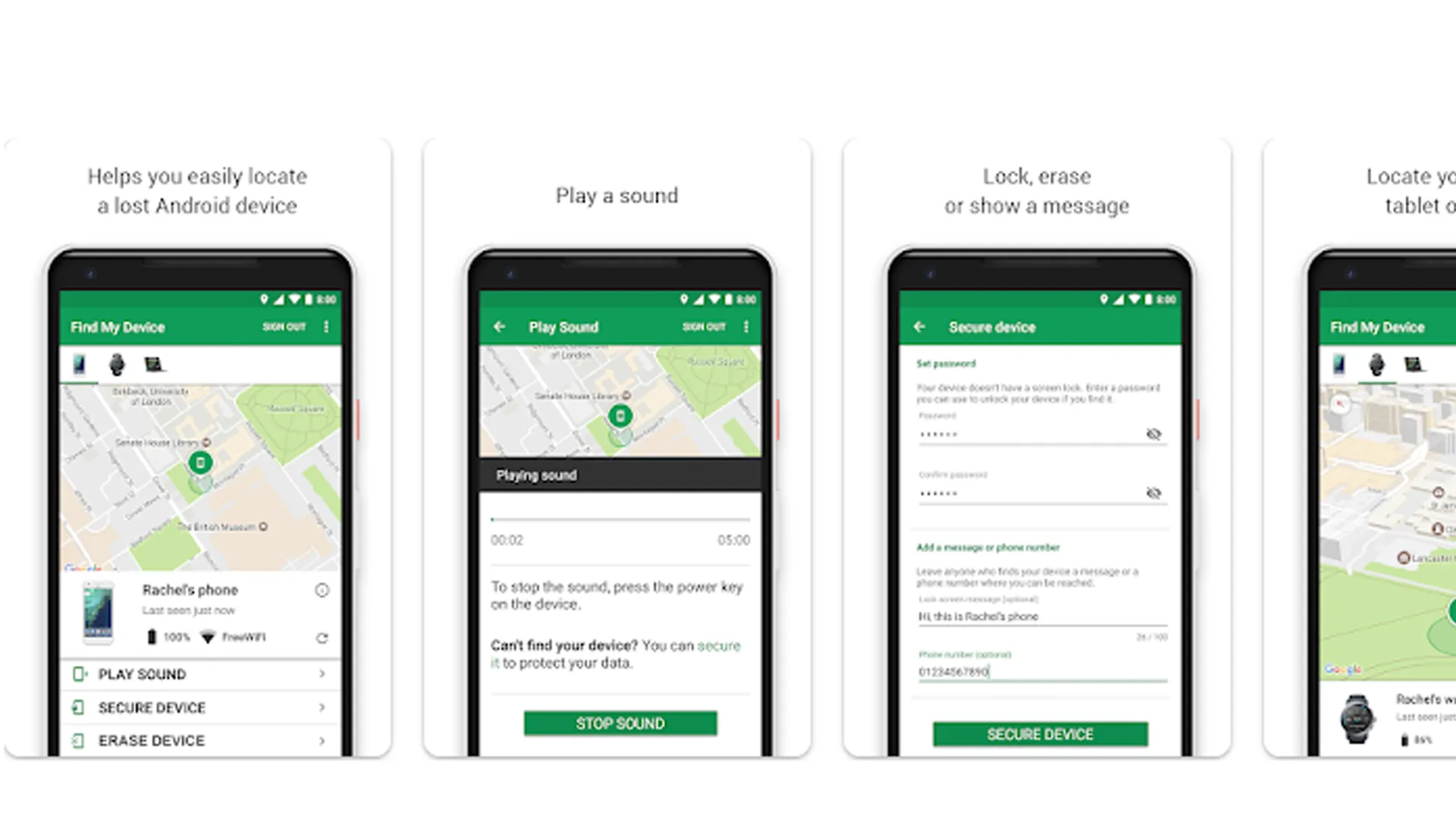
The arrival of Google‘s revamped Find My Device network marks a significant milestone, accompanied by the introduction of the service’s initial AirTag-style trackers tailored for Android users.
Chipolo and Pebblebee unveil their latest trackers, available in tag and card formats, offering a convenient solution for tracking valuables lacking Bluetooth connectivity through Google’s Find My Device app.
Utilizing Bluetooth proximity data from millions of Android devices globally, users can pinpoint their item’s exact location via Google’s app, with additional features such as sound activation and LED flashing for nearby searches.
Chipolo introduces the One Point tracker and the Card Point tracker, equipped with Fast Pair technology for swift Android phone connections and an IPX5 rating for splash resistance. Initial batches have sold out, with subsequent shipments expected in June.
Pebblebee presents its Clip and Card trackers, now compatible with the Android Find My Device network, available for pre-order. Additionally, Pebblebee offers the Tag tracker boasting a lightweight design and extended battery life, setting it apart from Chipolo’s models.
Expanding beyond smartphones, the Find My Device network will support various devices, including Eufy Smart Track Link, Smart tag Card, Sony WH-1000XM5, JBL Tour Pro 2, and JBL Tour One M2 headphones, with future updates planned for Google Pixel Buds Pro.
Addressing privacy concerns, the Find My Device network and accompanying trackers feature safeguards against unwanted tracking, offering reassurance for users wary of potential privacy breaches.

Tile’s Absence in Google’s Find My Device Network
Despite being a prominent player in the tracker market, Tile appears to be absent from Google’s new Find My Device network, at least for the time being.
While Tile was initially included in Google’s list of brands expected to produce trackers for the network, recent reports suggest a shift in priorities, with Tile focusing on other endeavors, particularly within Life360, its parent company since 2021.
As Tile redirects its efforts towards broader applications, such as family location services offered by Life360, it indicates a strategic divergence from the specific device-finding focus of Google’s network.
Tile’s decision not to participate in Google’s Find My Device network underscores its commitment to developing a cross-platform solution tailored for locating people, pets, and objects across various ecosystems.
Nevertheless, with alternatives like Chipolo and Pebblebee showcasing their offerings, Android users can still access a plethora of tracker options as Google’s Find My Device network continues its global rollout, with the potential for more brands to join the fray shortly.