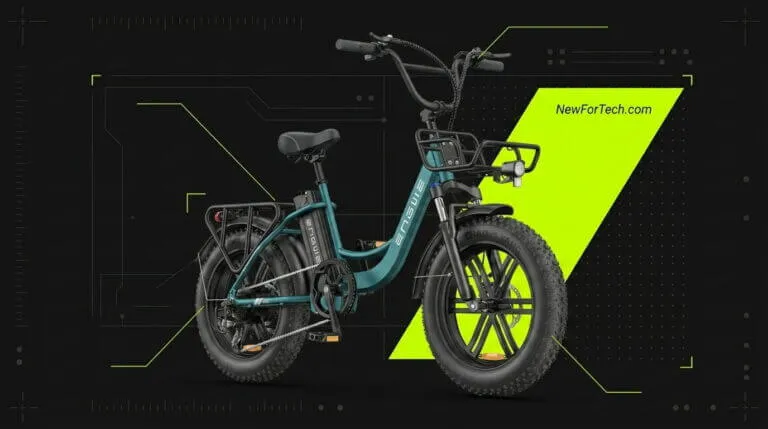
Kingbull Literider 2.0 Review: The Folding Fat Tire Ebike That Actually Delivers
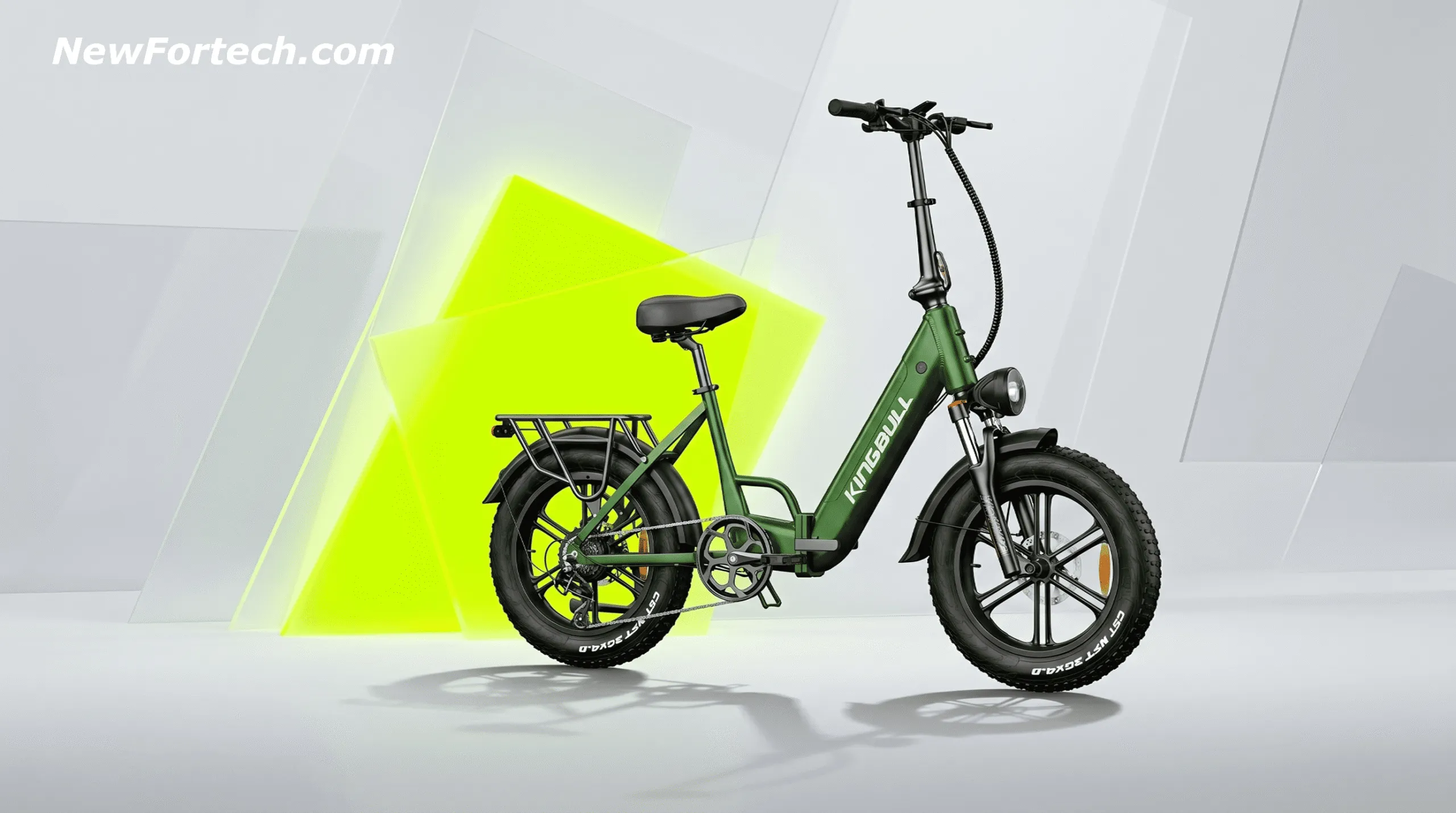
The Kingbull Literider 2.0 is a step-through folding fat tire electric bike built around a 750W Bafang motor, a 720Wh Samsung battery, and hydraulic disc brakes — hardware that would cost you considerably more on most name-brand alternatives. At $929 during this sale window, it’s one of the more interesting value propositions in the folding ebike market right now. But there’s a 71-pound elephant in the room, and the claimed 60-mile range is worth examining more closely before you hand over a credit card number.
- 750W Bafang motor — named, verifiable component
- Hydraulic disc brakes standard, not an upgrade
- 380 lb payload — 50 lbs more than Lectric XP 4.0
- UL 2849 certified battery system
- Ships from US warehouses in 2 business days
- 71 lbs — not a walk-up-stairs folder
- Real-world range closer to 32–40 miles vs. claimed 60
- Cadence sensor only — no torque sensing
- DY Island brakes — unproven long-term durability data
Affiliate link · Price and availability subject to change — verify at checkout
The Kingbull Literider 2.0 is a folding fat tire electric bike with a 750W Bafang rear hub motor, 48V 15Ah (720Wh) Samsung battery, 180mm hydraulic disc brakes, and a 380 lb payload capacity. It folds to 30.7” × 17.7” × 31.5”, ships 85% assembled from US warehouses, and carries a 2-year warranty. At $929 during its current sale (list $1,699), it slots into a competitive bracket dominated by the Lectric XP 4.0 — which it outguns on motor size, battery capacity, and payload, though not on brand recognition.
Contents
Design and Build Quality
Frame and Finish
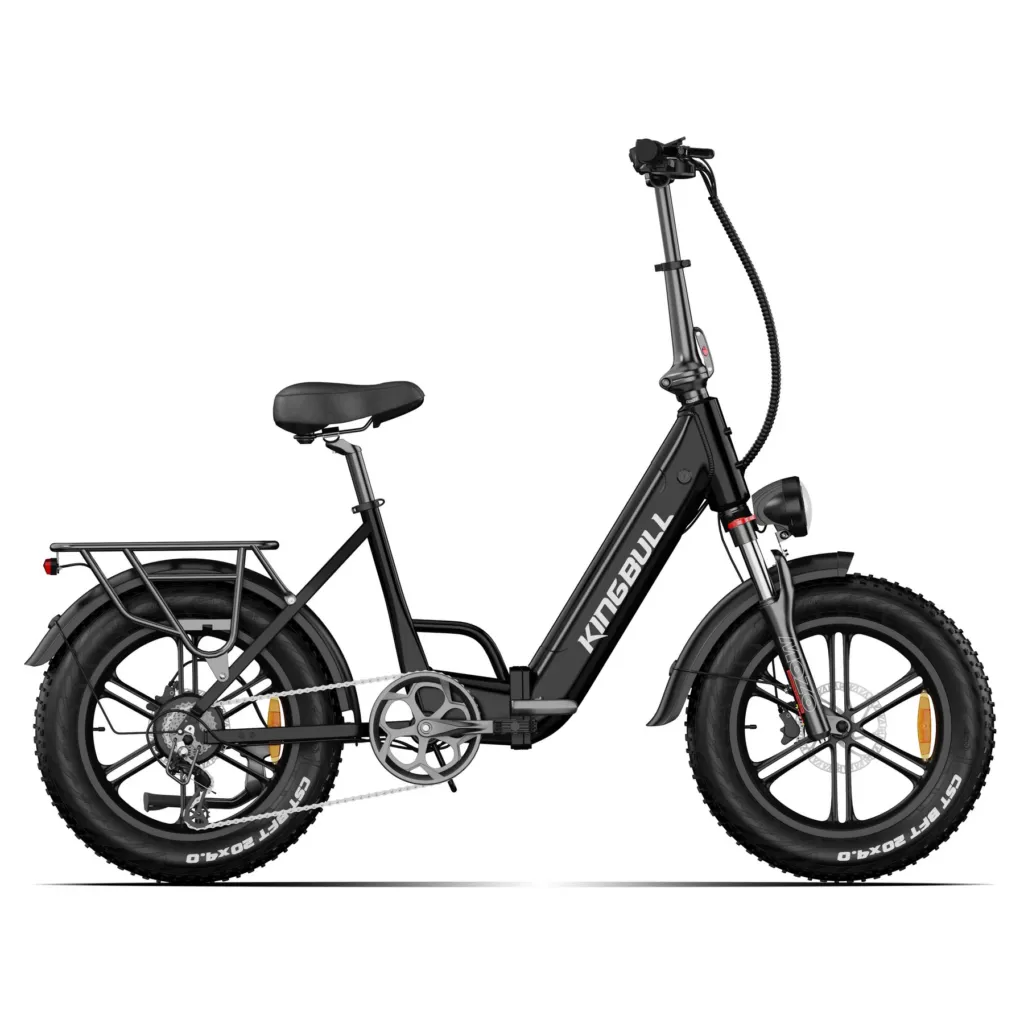
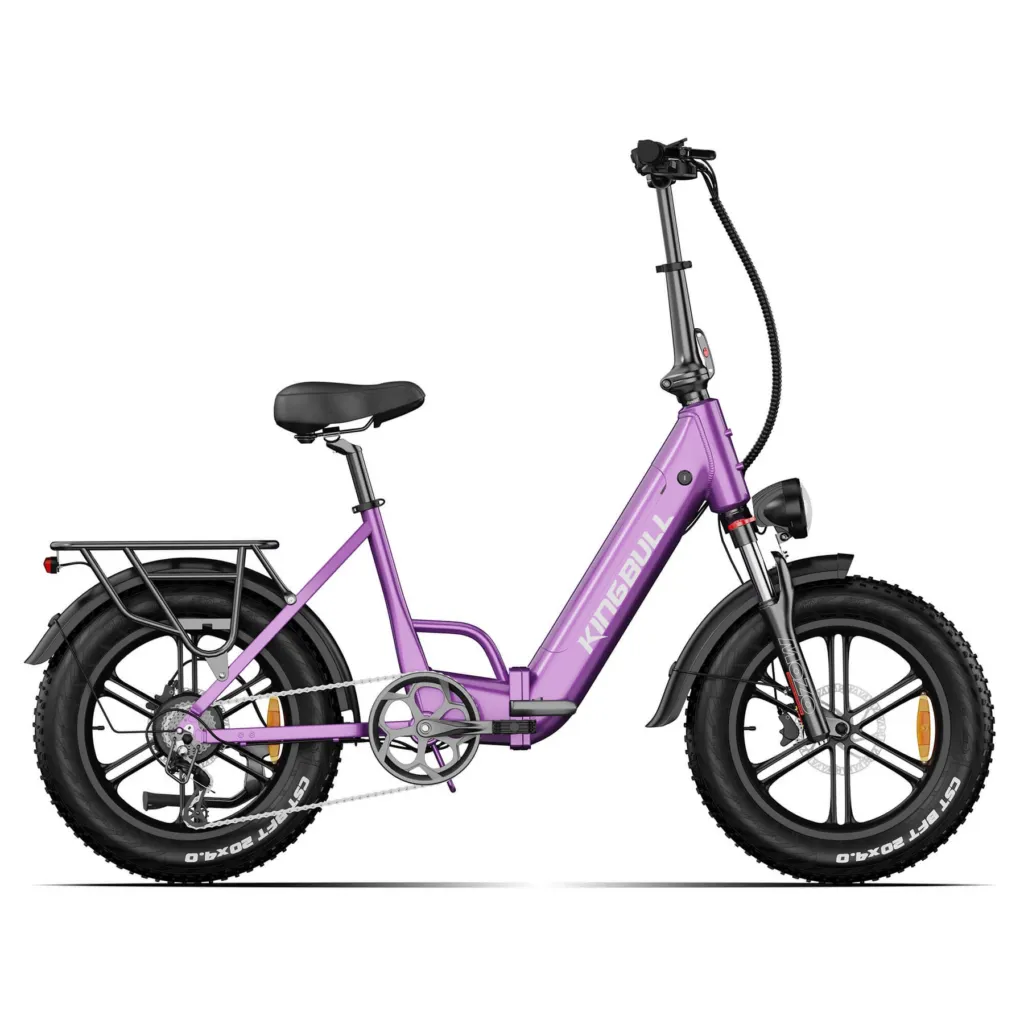
The Literider 2.0 uses a 6061 aluminum alloy step-through frame with an integrated downtube battery — color-matched to the frame, not bolted on as an afterthought. That last detail matters more than it sounds. Most folding ebikes at this price treat the battery like a removable accessory; Kingbull tucked it in, which shifts the center of gravity lower and keeps the bike from looking like it was assembled from spare parts.
The fold mechanism works at the stem. It takes a few seconds once you’ve done it a handful of times. Folded dimensions land at 30.7” × 17.7” × 31.5” — compact enough for a car trunk or an office corner, though you’ll need a dolly or a very patient elevator for apartment hallways. At 71 lbs, it doesn’t carry like a Brompton. That weight is a genuine limitation for anyone without ground-floor access or a vehicle with a low cargo bed.
Step-Through Frame and Fit Range
The step-through geometry with an 18-inch step-over height works well for shorter riders and older adults who don’t want to swing a leg over a high top tube. Seat height adjusts to 32 inches at the base, with enough seatpost travel to fit riders up to around 6’2″. One verified buyer note worth flagging: a rider at 5’4″ who initially ordered the Hunter 2.0 (a higher-frame model) found the Literider 2.0 was the right call — the step-through makes mounting far less of an event.
Internal cable routing runs through a tapered head tube. The overall finish quality on the tested units — reviewed by multiple riders across different platforms — has been consistently cited as above-average for the price tier. That said, the bike arrives 85% assembled and basic final assembly is required. Budget an hour, or take it to a local shop for initial setup and torque verification.
Technical Specifications
All specifications are manufacturer-claimed. Real-world performance will vary with usage conditions, environment, and individual configuration.
| Specification | Detail |
|---|---|
| Motor | 750W Bafang brushless rear hub (1,300W peak) |
| Torque | 80 N·m |
| Top Speed | Up to 28 mph (Class 3 when unlocked via settings) |
| Battery | 48V 15Ah / 720Wh Samsung lithium-ion (removable) |
| Claimed Range | Up to 60 miles (real-world: 32–40 miles mixed assist) |
| Charger | 48V 3A fast charger (included) |
| Frame | 6061 aluminum alloy, step-through folding |
| Folded Size | 30.7” × 17.7” × 31.5” |
| Unfolded Length | 69” |
| Weight | 71 lbs |
| Payload Capacity | 380 lbs (rear rack: 150 lbs) |
| Tires | 20” × 4.0” all-terrain fat tires |
| Brakes | 180mm rotors, 2-piston hydraulic disc (DY Island) |
| Fork | Mozo Fat Man, 50mm travel, lockout + preload |
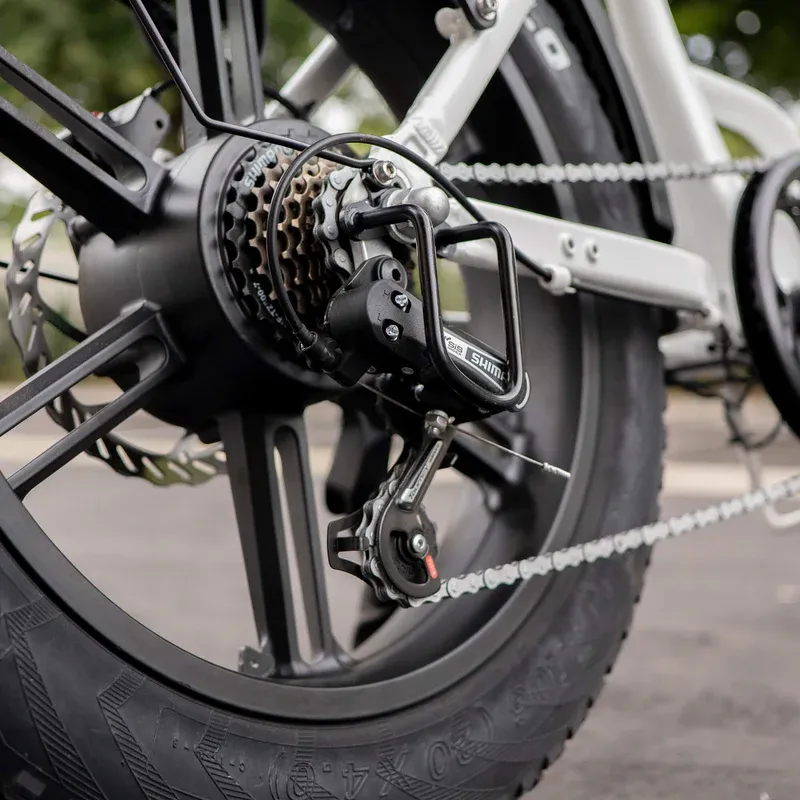
| Drivetrain | Shimano Tourney 7-speed, 48T chainring, 14–28T cassette |
| Pedal Assist | 5 levels (cadence sensor) + half-twist throttle |
| Display | High-contrast LCD (upgraded vs. Literider V1) |
| Seat Tube | 30.4mm suspension seat post |
| Safety Certification | UL 2849 |
| Warranty | 2 years |
| Return Window | 15 days |
| Assembly | 85% pre-assembled; ships from US in 2 business days |
Performance
Motor Behavior and Hill Climbing
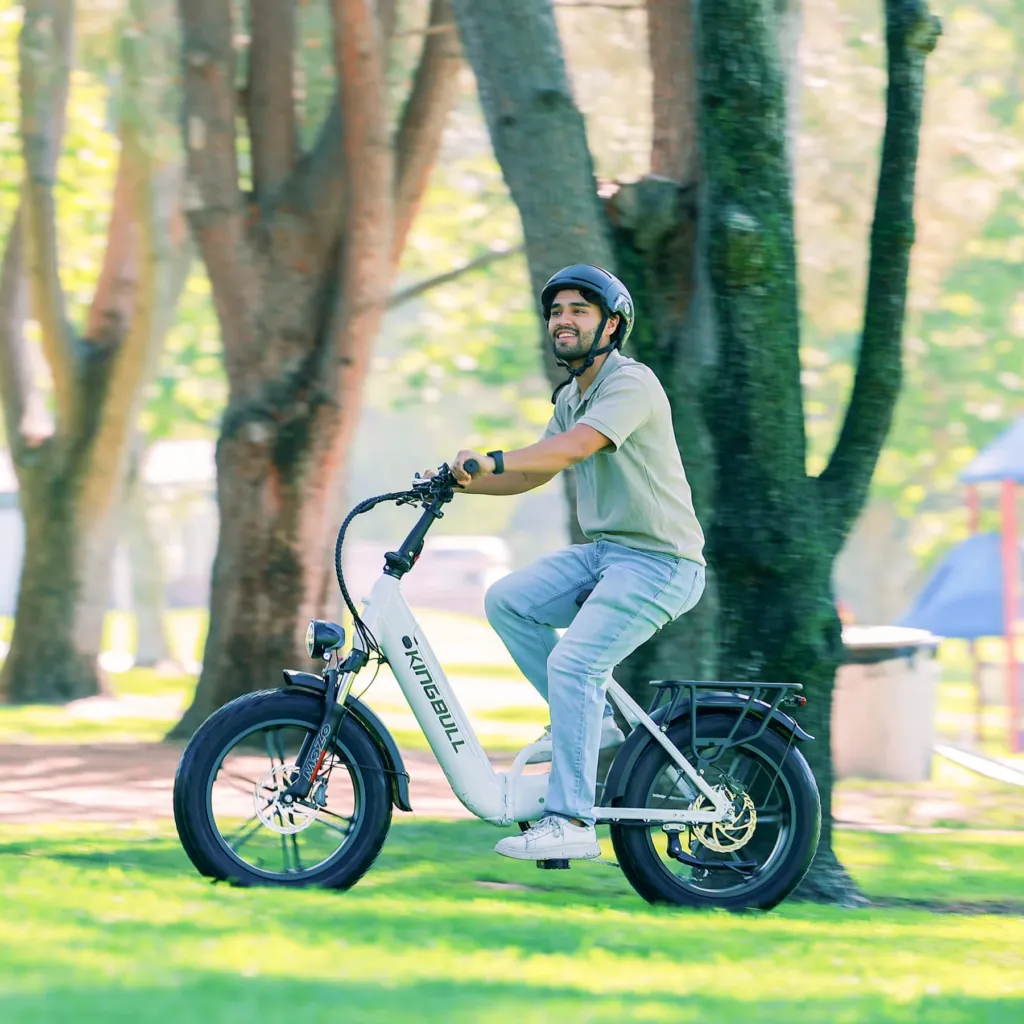
The Bafang rear hub produces 80 N·m of torque. That’s enough to handle moderate grades without drama — one rider testing it on local roads and single-track described the acceleration as smooth and predictable across all five pedal assist levels. The half-twist throttle engages the motor directly without pedaling, which is useful for traffic gaps or getting rolling from a dead stop on a slight incline.
The cadence sensor is worth understanding before you buy. It detects whether the pedals are turning — not how hard you’re pushing. So motor response follows your cadence rhythm, not your effort. On flat ground that’s largely irrelevant. On steep climbs, it can feel slightly delayed, especially if you slow your cadence to gather leverage. Riders used to torque-sensing systems (which cost more, typically found on bikes $1,500+) will notice the difference. Riders coming from cadence-sensor bikes won’t.
Speed and Top-End Feel
Out of the box the Literider 2.0 ships set to 20 mph (Class 2). The settings menu allows unlocking to 28 mph, which makes it technically a Class 3 ebike under US federal definitions — check your state and local regulations before changing that setting, as Class 3 bikes are restricted from certain multi-use paths in a number of states. At 28 mph on a 71-lb bike with 4-inch fat tires, wind resistance becomes a noticeable factor. It’s not the bike you’ll be racing. It is the bike that’ll keep pace with city traffic without trouble.
Comfort and Handling
Suspension and Tire Cushion
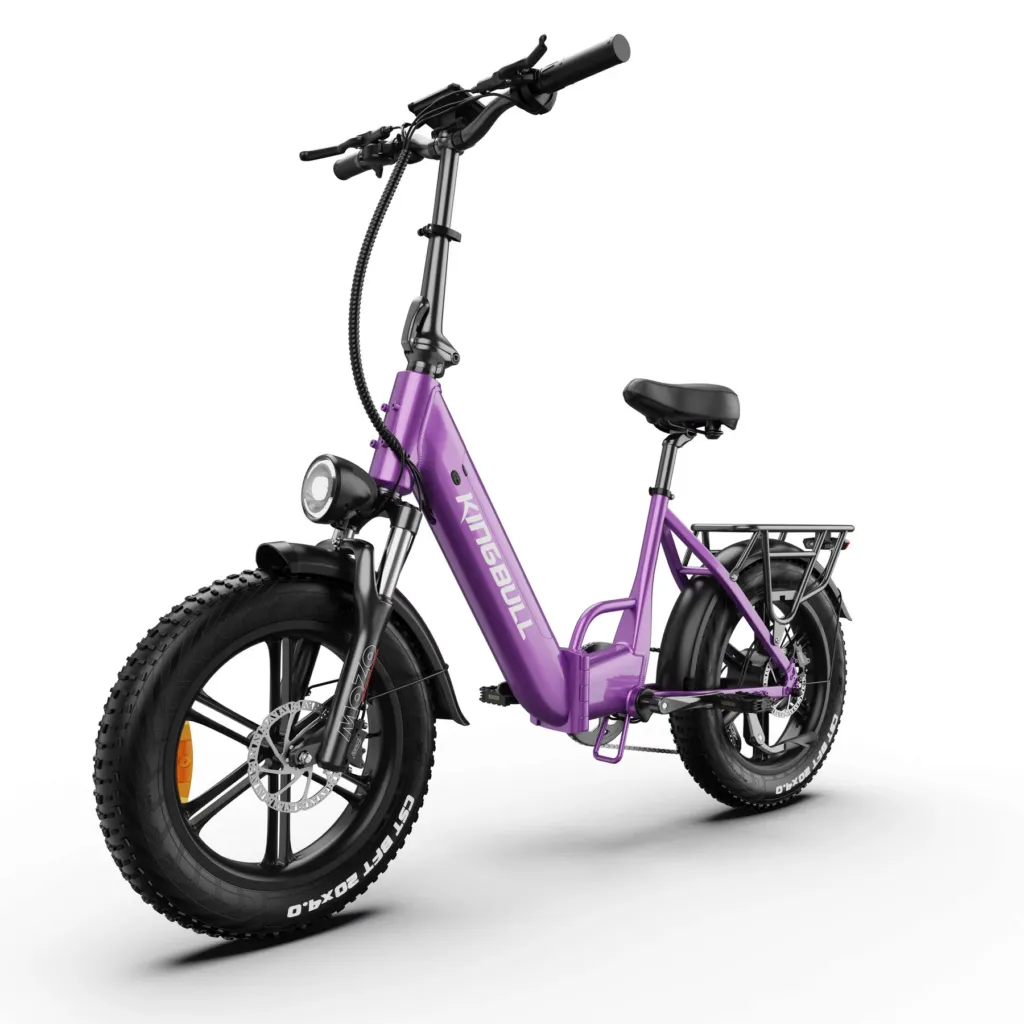
There are two things working in the Literider 2.0’s favor on rough surfaces: the Mozo Fat Man front fork (50mm travel, preload adjust, lockout) and the sheer volume of those 4-inch fat tires. The tires alone absorb a significant amount of low-frequency chop that would rattle through a narrower wheel. One rider noted the 30.4mm suspension seatpost made a “night and day difference” in comfort compared to a rigid post — and given that the seatpost is included standard, that’s a real feature, not an upsell.
The lockout on the fork is worth using on paved sections. Without it, you lose a small amount of pedaling efficiency to fork bob. Switch it on for commuting, off for trail work. Most riders at this price point won’t bother, but it’s there if you care.
Handling at Weight
71 lbs is heavy. I want to be specific about what that means in practice: loading this into a pickup bed requires a two-person lift for most people, or a ramp. An SUV with a low load floor is manageable solo. A compact car trunk is genuinely awkward. The folded dimensions are small enough; the weight is the constraint.
One real-world detail from a couple who both ride Literiders: the husband at 195 lbs returns from a 32-mile ride with low battery; the wife at 160 lbs returns with most of the charge remaining. Rider weight is the single largest variable in range on this bike. If you’re on the heavier end of the payload spectrum, that 60-mile figure should be mentally adjusted well downward. Check out our guide to realistic ebike range for a fuller breakdown of how weight, assist level, and terrain interact.
Battery and Range
The 60-Mile Claim, Examined
Kingbull claims up to 60 miles per charge. That number is achievable — under the right conditions. A lighter rider (under 160 lbs), running PAS level 1 or 2, on flat terrain, will get close to it. Real-world testers at mixed assist levels have consistently reported 32 to 40 miles. That’s a 33–47% gap from the claim, which is larger than the typical “optimistic test conditions” discount you’d apply to any ebike range figure.
That said, 32 to 40 miles is still a usable range for most commuters. A 15-mile one-way commute with return trip leaves buffer. The battery is removable, so indoor charging is easy. The included 48V 3A charger is faster than the 2A units bundled with many competitors, which matters if you’re topping up between uses during a day ride. Full charge time from near-empty runs approximately 4–5 hours.
UL 2849 Certification
The UL 2849 certification covers the electrical system as a whole — motor, battery, and charging interaction — not just the battery cells in isolation. It’s a meaningful safety baseline that a number of sub-$1,000 ebikes skip entirely. If you’re storing or charging this indoors (which you probably are, given the folding design), this certification matters. It’s one of the few areas where Kingbull is ahead of the field at this price. For more on what to look for in ebike safety certifications, we’ve covered the full breakdown separately.
Display and Controls
LCD Display Upgrade
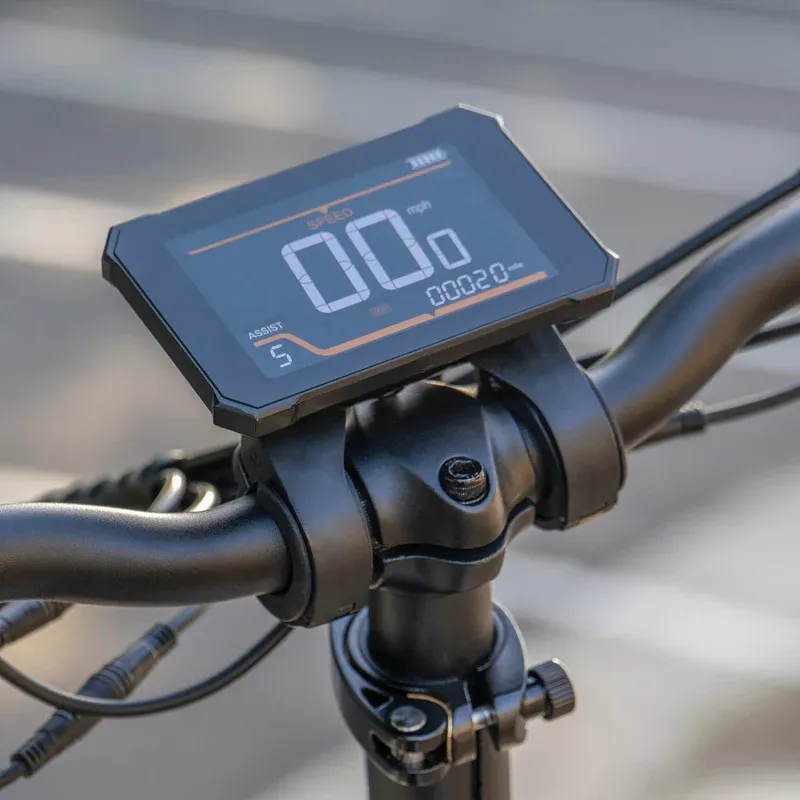
The V1 Literider shipped with a basic screen. The 2.0 gets a high-contrast LCD that shows current speed, battery level, trip distance, and assist level simultaneously. It reads in sunlight, which the original screen handled poorly. Not a spectacular display by any standard — no Bluetooth integration, no navigation, no app pairing — but it shows you what you need while riding without having to squint.
Half-Twist Throttle and PAS Logic
The half-twist throttle is on the right side of the handlebar. It works cleanly: squeeze, motor engages, release, motor disengages. There’s no significant lag at PAS levels 1 through 3. At PAS 4 and 5, the motor is pulling hard enough that you feel the cadence sensor’s slight delay when you start pedaling from rest — the motor kicks in about half a crank revolution after your feet start moving. On flat ground that’s a non-issue. On hills, you’ll notice it.
Accessories and Extras
In the Box
The Literider 2.0 ships with the 48V 3A charger, folding pedals pre-installed, a rear rack (150 lb capacity), and basic tools for final assembly. No fenders are included by default, which matters if you’re riding on wet or muddy surfaces — the fat tires throw water and debris upward at speed. Kingbull offers accessory bundles through its site.
Recommended Additions
Fenders are the first thing worth adding if you ride in anything other than dry conditions. A decent set that fits 4-inch fat tires runs $25–$45. A good lock is the second — at 71 lbs this bike isn’t being grabbed and sprinted with, but the motor and battery alone justify a decent u-lock. For anyone using this as a true commuter, our ebike accessories guide has recommendations that fit the folding fat tire form factor specifically.
Model Comparisons
vs. Lectric XP 4.0 ($999)
| Spec | Kingbull Literider 2.0 | Lectric XP 4.0 |
|---|---|---|
| Price | $929 (sale) | $999 |
| Motor | 750W Bafang (named) | 500W |
| Battery | 720Wh (48V 15Ah) | 500Wh (48V 10.4Ah) |
| Top Speed | 28 mph | 28 mph |
| Payload | 380 lbs | 330 lbs |
| Brakes | 180mm hydraulic disc | 180mm hydraulic disc |
| Tires | 20” × 4.0” fat | 20” × 3.0” fat |
| Weight | 71 lbs | 64 lbs |
| Smart Features | None | App, integrated lights |
| Safety Cert | UL 2849 | UL 2849 |
Key differences: The Literider 2.0 wins on motor output (250W more continuous), battery capacity (44% more), tire width (a full inch wider), and payload (50 lbs more). The XP 4.0 is 7 lbs lighter and adds app connectivity with integrated lights. If you’re primarily a heavier rider, carrying cargo, or riding mixed terrain, the Kingbull’s specs stack in its favor. If you prioritize smartphone integration and slightly easier carrying, the Lectric is worth the look. Neither is the wrong answer — they solve slightly different problems.
FAQ
Is the Kingbull Literider 2.0 a Class 2 or Class 3 ebike?
What is the real-world range of the Literider 2.0?
Can I carry the Literider 2.0 on public transit?
Does the Literider 2.0 fit riders under 5’4”?
What does the 2-year warranty actually cover?
Is the Literider 2.0 good for off-road riding?
How long does the battery take to charge?
Final Verdict
The Kingbull Literider 2.0 is a 750W Bafang-motored, 720Wh-batteried folding fat tire ebike that genuinely delivers its core hardware promise. Hydraulic disc brakes are standard. The battery is Samsung-celled and UL 2849 certified. The frame is 6061 aluminum with a sensible integrated battery design. At $929, those aren’t concessions — that’s a real spec sheet.
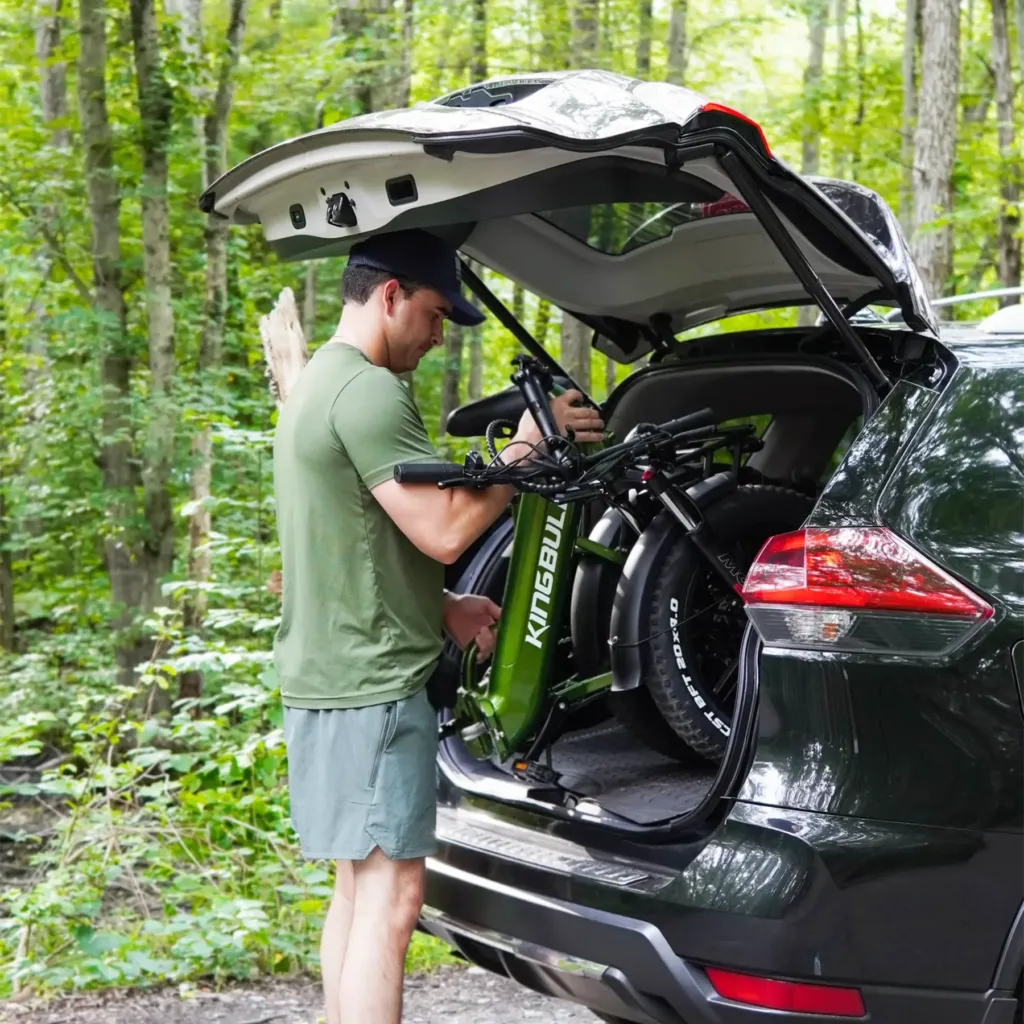
There are three things worth being straight about before you buy. First, the weight: 71 lbs is the number, and it shapes every scenario where you need to physically lift this bike. Second, the range: plan for 32–40 miles in real use, not 60. Third, the cadence sensor: it’s not a flaw for most riders, but if you’ve used torque-sensing bikes, the feel is different. This is not the wrong bike for its price. It is, however, the wrong bike if you need to carry it up stairs daily, need 50+ miles of reliable range, or want app integration. Everyone else — apartment dwellers with ground-floor parking, commuters with a 15-mile round trip, weekend adventure riders who need the bike to fit in the car — will find that it earns its price. Check out our best folding electric bikes roundup to see where it sits against the full field.
UP NEXT • DEEP FEED
Shokz OpenSwim Pro Review: Worth It in 2026?
LOAD MEMORY →
Shokz OpenSwim Pro Review: Worth It in 2026?
LOAD MEMORY →Related Stories
Fafrees F700 Review: A 250W City E-Bike With a Torque Sensor for €1,099
Vakole SG20 Review: 250W Fat Bike With 691Wh LG Battery at €999