Google Pixel 10 Launches in March 2026 — Full Specs, Price, and What’s Different
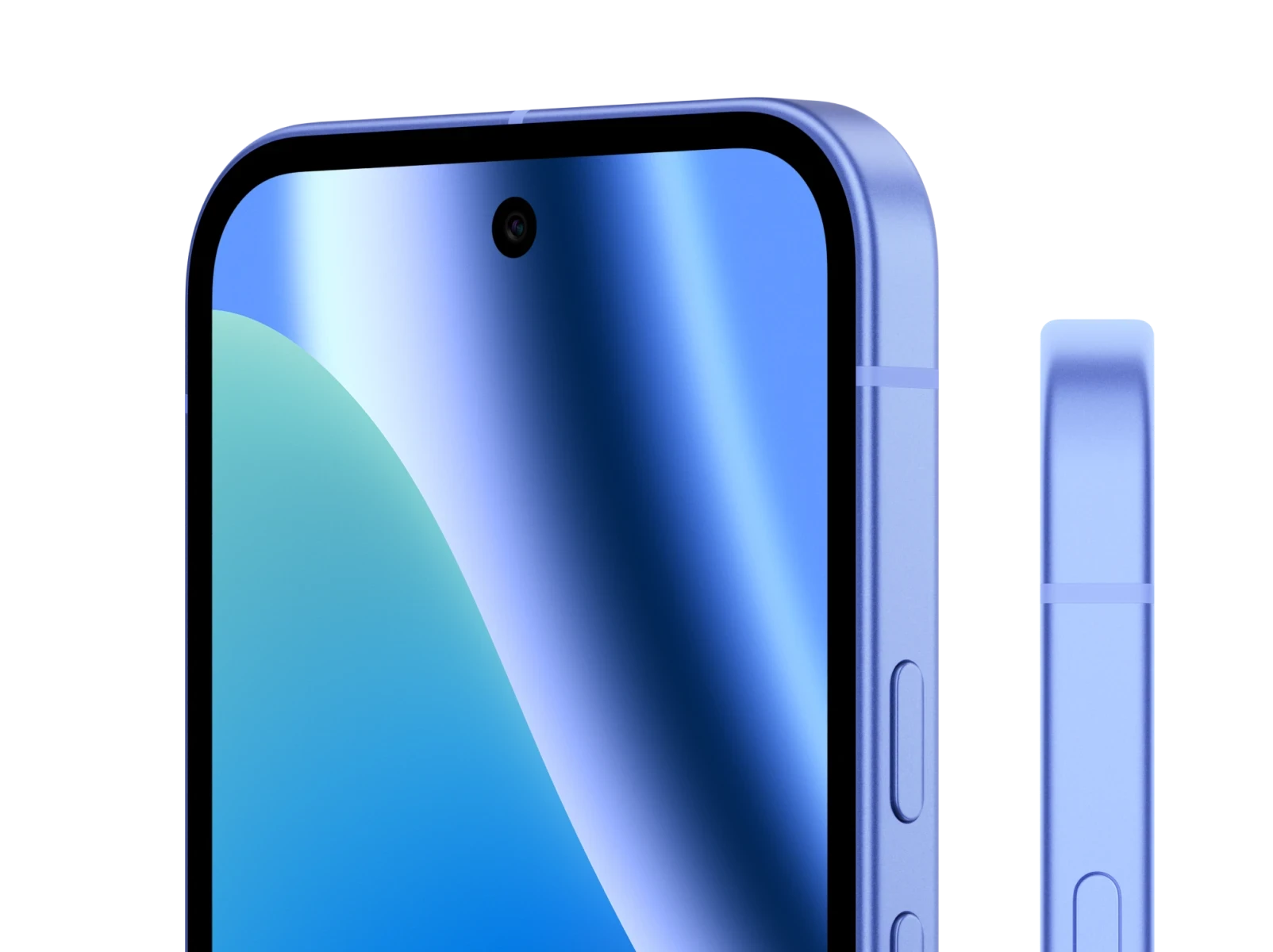
The Google Pixel 10 family is now complete. Google’s flagship models landed August 28, 2025, and the Pixel 10a — the budget anchor of the series — officially went on sale March 5, 2026, at $499. Five models now make up the full lineup, all running Android 16 with a guaranteed seven-year update commitment. If you have been trying to make sense of what each model offers, how the pricing stacks up, and where the meaningful differences actually lie, this guide covers everything you need to make an informed decision without having to dig through ten separate reviews.
The Pixel 10 generation also marks roughly ten years of Google building its own smartphone hardware. That milestone shaped how Google positioned this cycle — and the decisions around pricing, camera access, and AI capabilities reflect a company growing more confident in its hardware identity. The result is the most coherent Pixel lineup the company has produced.
What Most People Get Wrong About the Google Pixel 10 Lineup
The most common mistake buyers make is treating “Pixel 10” as a single product. It is not. The Pixel 10 series consists of five distinct models across two launch windows. The Pixel 10, Pixel 10 Pro, Pixel 10 Pro XL, and Pixel 10 Pro Fold all went on sale from August 28, 2025. The Pixel 10a launched seven months later on March 5, 2026. Any review or comparison published before March 2026 is incomplete — it predates the budget model that most buyers are now considering.
The second point of confusion involves the processor. The Tensor G5 — built by TSMC on a 3nm process — powers the flagship Pixel 10 and all Pro variants. It delivers roughly 34% faster CPU speeds and a 60% more powerful TPU than its predecessor. The Pixel 10a carries the Tensor G4, the same chip found in last year’s Pixel 9a. For daily use and standard photography, the gap is manageable. For sustained AI workloads, advanced video processing, and the most demanding on-device features, the G5 is measurably ahead.
A third misunderstanding involves cameras. Because Google’s computational photography tends to compress hardware gaps, some buyers assume all Pixel 10 phones produce similar results. They do not. The base Pixel 10 now includes a triple-camera system with a 5x telephoto lens — a configuration previously reserved for Pro models. The Pixel 10a has two cameras and no telephoto lens. That single difference matters significantly in real shooting conditions, particularly for anything beyond 2x zoom.
For broader context on how Google’s approach compares to competing Android flagships this year, our breakdown of the best Android phones in 2026 covers the full competitive landscape across price tiers.
Understanding these distinctions before purchasing prevents the most common form of buyer’s remorse with this lineup: overpaying for Pro features already available in the base model, or expecting telephoto capability from a phone that simply does not carry that lens.
Step-by-Step Guide to Choosing the Right Google Pixel 10 Model
The Pixel 10 lineup covers five models across four distinct price points. Working through the following questions narrows the choice considerably and avoids the most common decision errors.
- Set your absolute budget first: The Pixel 10a starts at $499 (128GB) and $599 (256GB). The standard Pixel 10 starts at $799. The Pixel 10 Pro starts at $999. The Pixel 10 Pro XL starts at $1,199. The Pixel 10 Pro Fold starts at $1,799. If your ceiling is $600, the Pixel 10a is your only option in this family — and it holds up well at that constraint.
- Determine whether you need a telephoto lens: The base Pixel 10 includes a 10.8MP 5x telephoto as part of its triple-camera system. The Pixel 10a does not include any telephoto lens. If distance photography, wildlife, or subject isolation at range matters to you regularly, this single factor often settles the decision entirely.
- Evaluate your storage needs realistically: The Pixel 10a maxes at 256GB with no expandable storage. The Pixel 10 Pro supports up to 1TB. If you shoot 4K video frequently or maintain large offline libraries, calculate actual usage before committing to the 128GB base configuration.
- Consider screen size and battery life: The Pixel 10 and Pixel 10a both use 6.3-inch displays. The Pixel 10 Pro XL steps up to a 6.8-inch Super Actua panel with a 5,200mAh battery. The Pixel 10a carries a 5,100mAh cell — slightly larger than the flagship Pixel 10’s 4,970mAh battery — and Google confirms more than 30 hours of battery life with up to 120 hours using Extreme Battery Saver. For all-day endurance under mixed load, the 10a is genuinely strong.
- Assess how much on-device AI you actually use: The Tensor G5 unlocks advanced Gemini Nano capabilities, real-time Voice Translate, Magic Cue, and the heaviest features from the March 2026 Pixel Drop. The Pixel 10a on Tensor G4 supports Camera Coach and Auto Best Take — both arriving on A-series for the first time — but cannot run the most demanding on-device AI tasks. If proactive AI is your primary reason for switching to Pixel, the base Pixel 10 or Pro is the correct entry point.
- Check active promotions before purchasing at full price: At launch, Google bundled a free pair of Pixel Buds 2a (retail $129) with the Pixel 10a through the Google Store. Amazon offered a $100 gift card during the launch window. Carrier trade-in deals can reduce effective cost by $200–$400 on flagship models. Current offers are listed directly on the official Google Store Pixel 10a page.
For a deeper look at how the Tensor G5 changes photography and video at the architecture level, our piece on what the Tensor G5 chip actually changes covers the TSMC shift and its practical implications beyond synthetic benchmarks.
Common Mistakes When Evaluating the Pixel 10 Series
One mistake that surfaces repeatedly is automatically reaching for the Pixel 10 Pro based on its camera reputation, without checking whether the base Pixel 10 now covers those needs. Google moved the 5x telephoto lens to the standard model this generation — a genuine change from the Pixel 9 era, where telephoto required spending $999. For buyers who primarily shoot wide-angle and zoom shots up to 5x, the base Pixel 10 at $799 delivers what previously cost an extra $200.
Another common error is dismissing the Pixel 10a as a compromised device simply because it runs the Tensor G4. The core software experience — Android 16, seven years of OS and security updates, Camera Coach, Auto Best Take, Material 3 Expressive — is substantially equivalent to the flagship. The Pixel 10a is not a lesser Pixel; it is a targeted one, with deliberate hardware limits that allow Google to hold the $499 price point for the fifth consecutive year.
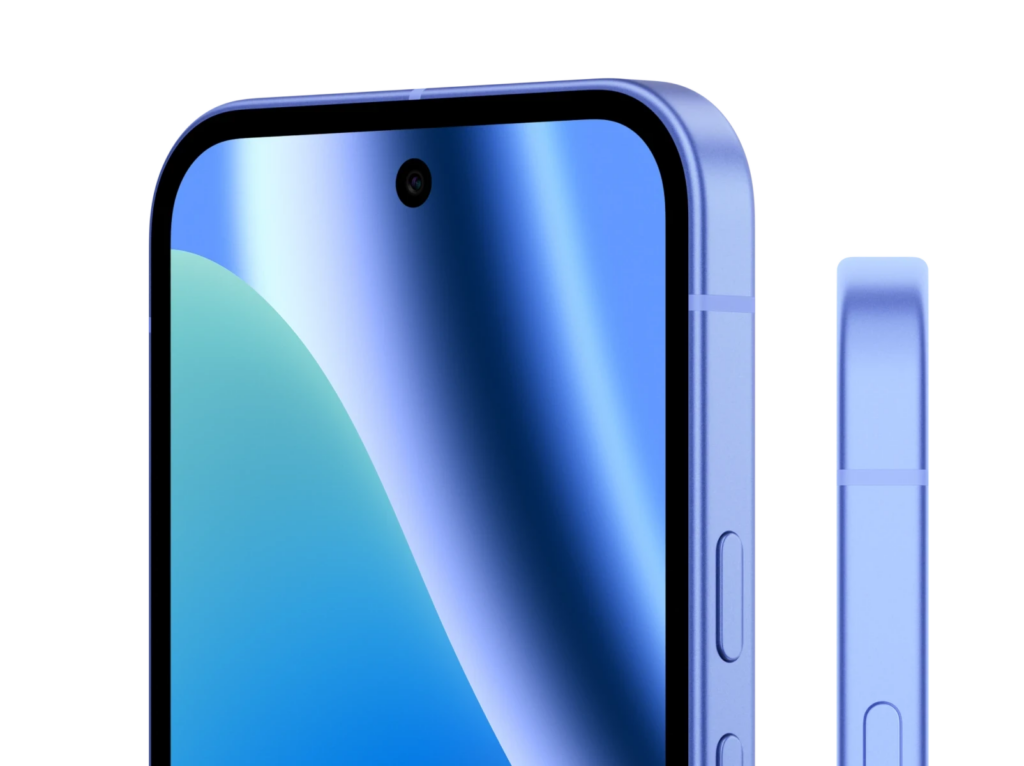
Buyers also frequently overlook the Gorilla Glass 7i upgrade. The Pixel 9a used Gorilla Glass 3 — a step down in impact and scratch resistance compared to competing phones in the same price range. The Pixel 10a corrects this with Gorilla Glass 7i on both front and back, which is a meaningful durability improvement that rarely appears in top-line spec comparisons but matters in the daily wear patterns of a device carried in a pocket or bag.
Finally, some buyers skip the Pixel 10a based on assumed camera limitations. The 10a’s main sensor — a 48MP f/1.7 with Quad PD Dual Pixel autofocus — produces excellent results in good and mixed light. The camera constraint is the absence of a telephoto lens, not the quality of the primary sensor itself. For social photography, family moments, and general shooting, the 10a competes with devices costing $150–$200 more from other manufacturers.
Practical Tips From Real-World Use of the Pixel 10 Family
Start with one concrete question when deciding between the Pixel 10 and Pixel 10a: do you regularly use optical zoom — not digital crop, but actual dedicated telephoto reach? If yes, the base Pixel 10 at $799 earns its $300 premium. If no, the Pixel 10a covers everything else at a significant discount.
Battery life on the Pixel 10a surprises most buyers. Because the Tensor G4 draws less peak power than the G5 and the 5,100mAh cell is slightly larger than the flagship’s, the 10a frequently outlasts the Pixel 10 in real mixed-use conditions. Google’s own rating puts it at over 30 hours of regular use, with 120 hours available on Extreme Battery Saver. For anyone who runs their phone from morning to late evening without a charger, the 10a is genuinely the stronger performer in endurance.
For buyers leaning toward the Pixel 10 Pro XL, the strongest practical justification is video production. The Tensor G5’s image signal processor enables 10-bit HDR video by default across 1080p and 4K at 30fps, with on-device motion deblur that shows up clearly in handheld footage under variable lighting. Casual photographers will struggle to justify the added cost over the base Pro. Regular video creators will find the Pro XL’s output measurably better for professional use.
Satellite SOS making its A-series debut on the Pixel 10a is worth noting separately. Previously absent from any A-series Pixel, it enables emergency contact when cellular and Wi-Fi coverage are both unavailable. That safety margin is new to this price tier and holds real-world value that no spec comparison table fully conveys — particularly for anyone who travels to rural or remote areas.
Wired charging on the Pixel 10a also jumped from 23W on the Pixel 9a to 30W — a figure that beats the Samsung Galaxy S25 base model at 25W. With a compatible PD charger, the 10a reaches roughly 50% from dead in 30 minutes. Wireless charging increased from 7.5W to 10W. Neither figure is class-leading, but both represent real progress. For what changed at the software level across all Pixel 10 models, our overview of Android 16’s new features covers the Material 3 Expressive redesign and everything introduced since Android 15.
Frequently Asked Questions About the Google Pixel 10
Is the Pixel 10a worth buying if you already own a Pixel 9a?
For Pixel 9a owners, this upgrade is incremental rather than transformative. The display gets 11% brighter, cover glass upgrades from Gorilla Glass 3 to Gorilla Glass 7i on both panels, wireless charging increases from 7.5W to 10W, wired charging rises from 23W to 30W, and Satellite SOS makes its A-series debut. The processor, main camera sensors, RAM, and storage options are unchanged. If your Pixel 9a is performing reliably, waiting for the Pixel 11a is a defensible position. Upgrading from a Pixel 7a or earlier? The 10a delivers a substantial improvement across almost every category and is worth the switch.
What is the practical difference between the Tensor G4 and Tensor G5?
The Tensor G4 handles everyday tasks without issue. The Tensor G5 uses TSMC’s 3nm fabrication process, enabling approximately 34% faster CPU speeds and a 60% more powerful TPU. The G5 also supports the latest Gemini Nano model fully on-device, unlocking AI features the G4 cannot run at the same performance level. For photography, browsing, and general app use, the gap is subtle. For heavy multitasking, extended AI workloads, and professional video processing, the G5 delivers a measurable and practical advantage that accumulates over intensive daily use.
Does every Pixel 10 model support 5G and work on major U.S. carriers?
Yes. All five models — including the Pixel 10a — support 5G and ship unlocked from the Google Store. They are fully compatible with T-Mobile, AT&T, Verizon, and Google Fi in the United States, and are available in over 20 countries. Carrier-locked versions are also available through individual carrier retail channels. The Pixel 10a also supports Dual SIM Dual Standby (DSDS) — one physical SIM and one eSIM simultaneously — and where carriers allow it, two eSIM profiles can run at the same time on two 5G networks.
When exactly did the Pixel 10a go on sale, and are launch promotions still active?
Google announced the Pixel 10a on February 18, 2026, with preorders opening the same day. The phone began shipping on March 5, 2026. Launch promotions — a free pair of Pixel Buds 2a through the Google Store, or a $100 gift card through Amazon — ran through mid-March 2026. After that window, standard pricing and carrier trade-in offers apply. Current availability and any active promotions can be confirmed directly on the Google Store Pixel 10a page.
How long will Pixel 10 phones receive OS and security updates?
Every phone in the Pixel 10 family — including the Pixel 10a — is guaranteed seven years of OS updates, security patches, and Pixel Drop feature releases from its original launch date. Flagship models released August 28, 2025 are covered through 2032. The Pixel 10a launched in March 2026 is covered through 2033. This update policy is among the strongest in the Android ecosystem and meaningfully changes the long-term cost-per-year calculation. For context on how this compares across major manufacturers, our guide to Android update policies compared covers what Samsung, OnePlus, and others now commit to in 2026.
Is the Pixel 10a a significant upgrade over the Pixel 9a?
Reviewers from 9to5Google, Android Central, and Tom’s Guide largely agree: the Pixel 10a is Google’s most iterative A-series release in the lineup’s history. Core hardware — processor, cameras, display size, battery capacity, RAM — carries over unchanged from the Pixel 9a. The meaningful additions are the completely flat camera design, Gorilla Glass 7i on both panels, improved IP68 rating, faster wired and wireless charging, Satellite SOS, and the March 2026 Pixel Drop software features including Camera Coach and Auto Best Take arriving on A-series for the first time. For first-time Pixel buyers or anyone upgrading from a Pixel 7a or older, the 10a is an easy recommendation. For Pixel 9a owners, the hardware delta does not justify switching at full retail price.
Conclusion: Which Google Pixel 10 Is Right for You?
The Google Pixel 10 series is the most clearly differentiated Pixel lineup Google has produced. Each model serves a distinct category of buyer, pricing held steady across most tiers, and the seven-year software commitment applies uniformly from the $499 Pixel 10a through the $1,799 Pro Fold.
For most buyers, the decision reduces to one of three positions. If $500 is your ceiling, the Pixel 10a — launched March 5, 2026 — delivers the core Pixel experience: strong main camera, over 30 hours of battery life, Satellite SOS, Gorilla Glass 7i, and the full seven-year update guarantee at a price Google has held firm since the Pixel 7a era. If you want a triple-camera setup with a 5x telephoto without entering Pro territory, the base Pixel 10 at $799 is one of the better-value flagship options available in 2026. If professional video output, maximum storage, or the largest display in the non-folding lineup matters to your work, the Pixel 10 Pro or Pro XL justifies the cost for the right user.
What no model in this series requires is a compromise on software longevity. Seven years of OS support from launch means a phone purchased today stays current well into the next decade. That commitment, more than any single hardware specification, may be the most compelling reason to choose a Google Pixel 10 over competing Android options at a comparable price — and it applies equally whether you spend $499 or $1,199.