CMACEWHEEL HQ20 Review: A €1,199 Longtail Cargo Ebike That Almost Gets Everything Right
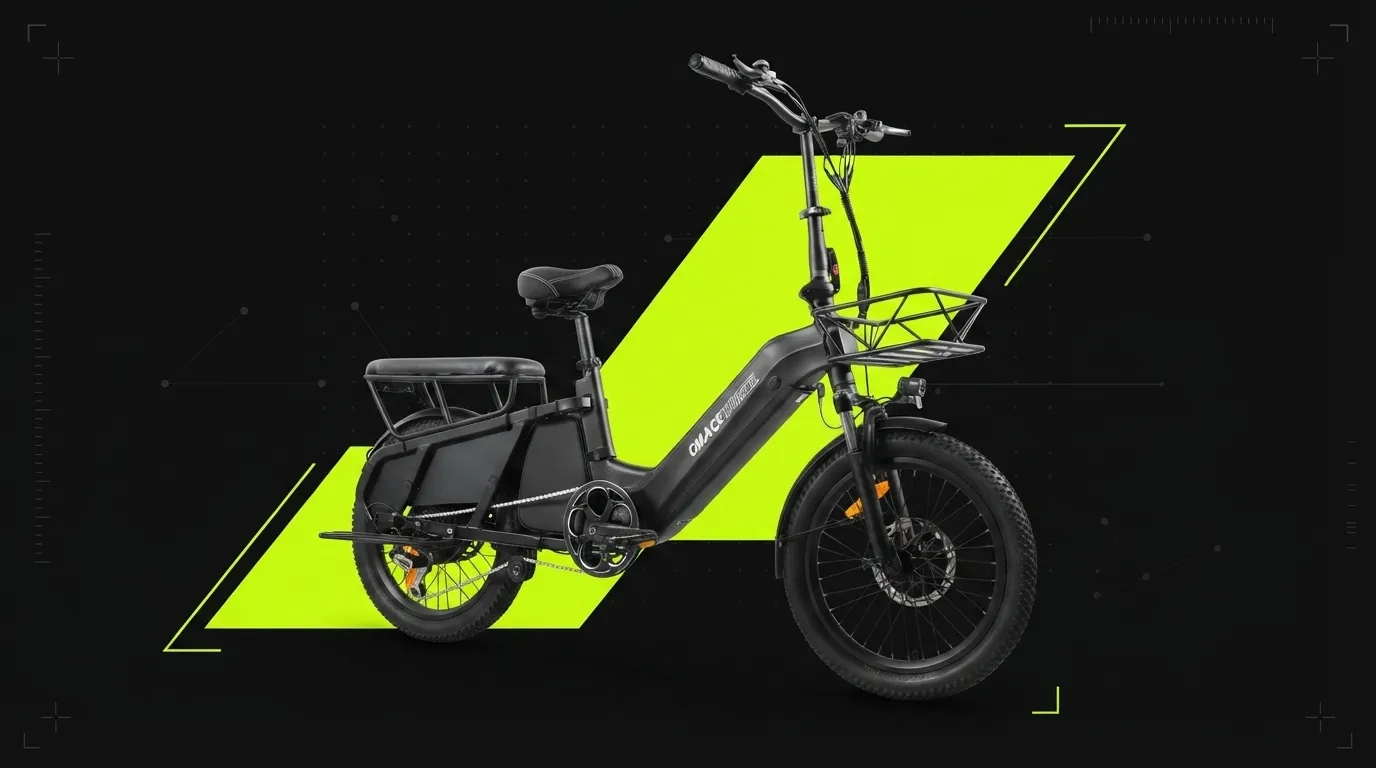
The CMACEWHEEL HQ20 review conversation online is thin — a handful of unboxing videos, a French owner walkthrough, and reseller pages that don’t agree with each other on basic specs. That’s the real starting point here, before a single word about ride quality. This is a 20-inch longtail cargo ebike built around a 960Wh battery, a 500W hub motor, and a torque sensor — on paper, a serious family hauler at a price that undercuts most of the category. Whether the paper holds up is the actual question.
Shipping to Canada or the United States is not currently available on BuyBestGear.
- 960Wh removable battery, class-large
- 68 N·m hub motor handles loaded hills
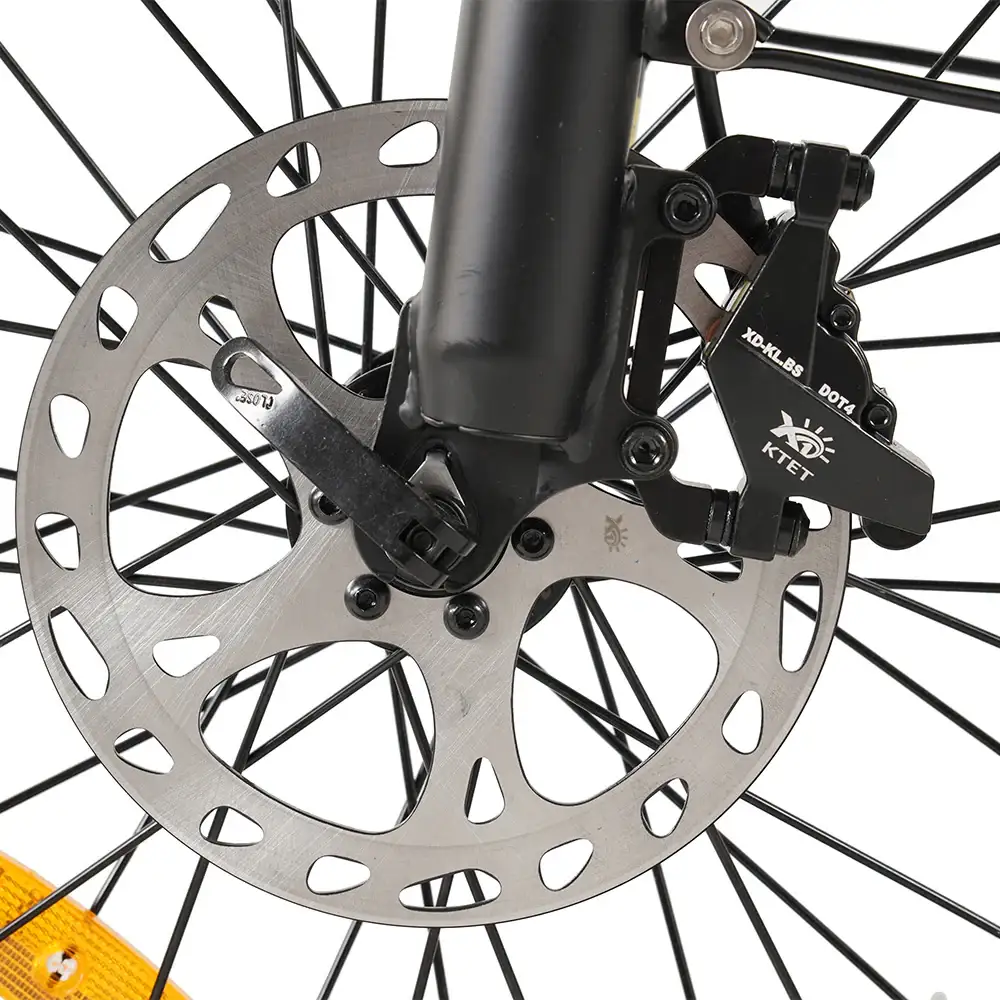
- Hydraulic disc brakes front and rear
- 150kg payload for daily cargo runs
- Foldable stem, easier car storage
- Real-world range trails the claim
- 33kg unloaded, hard to lift solo
- Specs vary across reseller listings
- 500W nameplate sits outside EN 15194
Affiliate link · Price and availability subject to change — verify at checkout
The CMACEWHEEL HQ20 is a 20-inch longtail cargo ebike with a 500W hub motor, a 960Wh removable battery, and a claimed 150kg payload, sold in the EU through BuyBestGear at €1.199. It undercuts the better-known Fiido T2 on sticker price, but the specs come from a scattered network of resellers that don’t fully agree with each other — and that inconsistency shapes almost everything else in this review.
Design and Build Quality
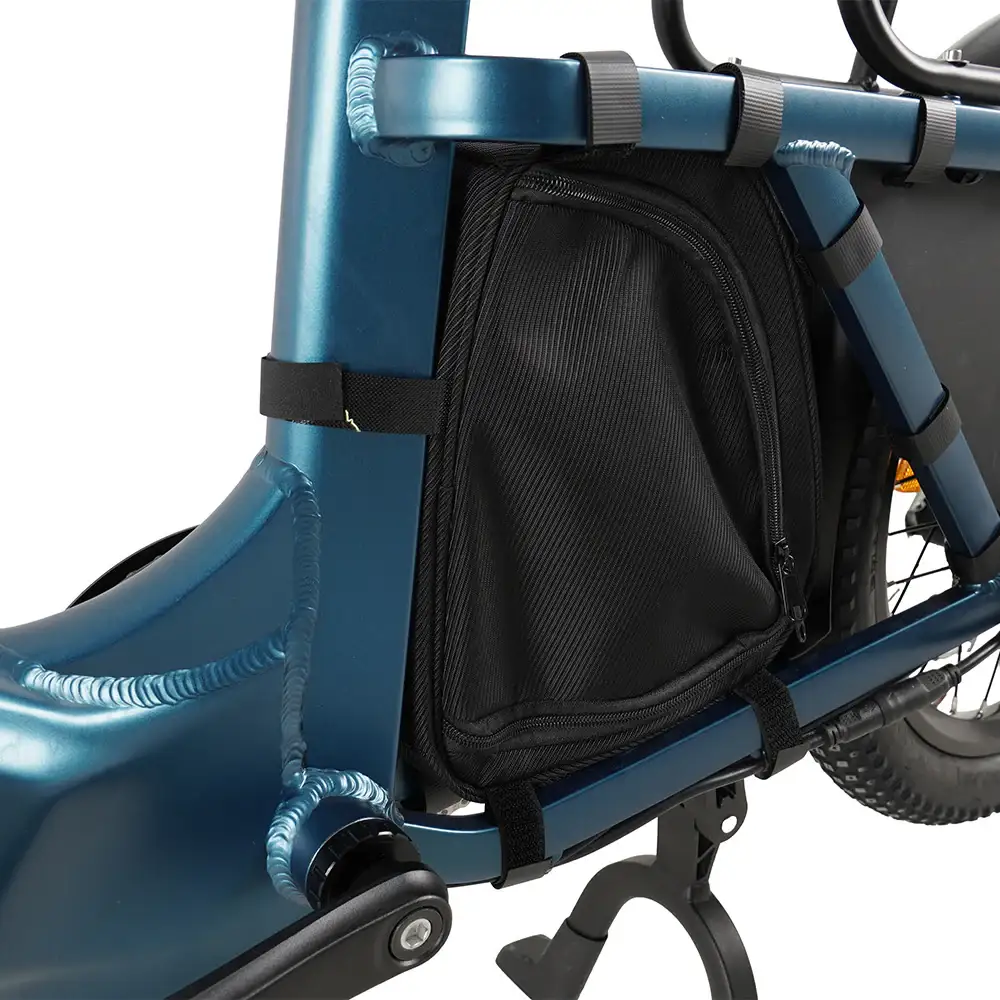
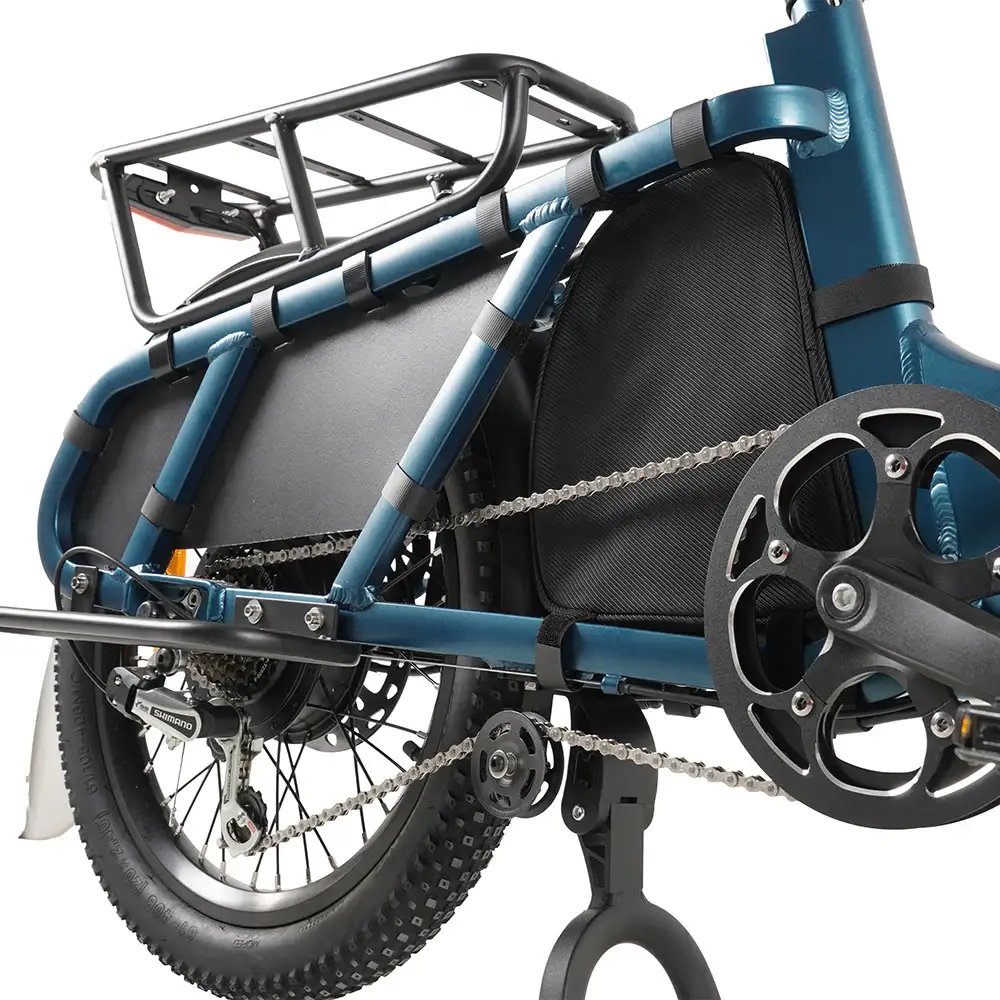
Aluminum alloy frame, low step-through, a foldable stem so the whole thing shrinks down enough to fit in a car boot or against an apartment wall. That’s the frame story on most of these longtail cargo bikes, and the HQ20 doesn’t deviate. What does stand out is the amount that’s bolted on before you’ve added a single accessory: front and rear metal mudguards, integrated lights, a rear cargo rack pre-installed rather than sold separately, spoke reflectors, and a hidden storage bag built into the frame — small, but genuinely useful for a lock or a charging cable rather than groceries.
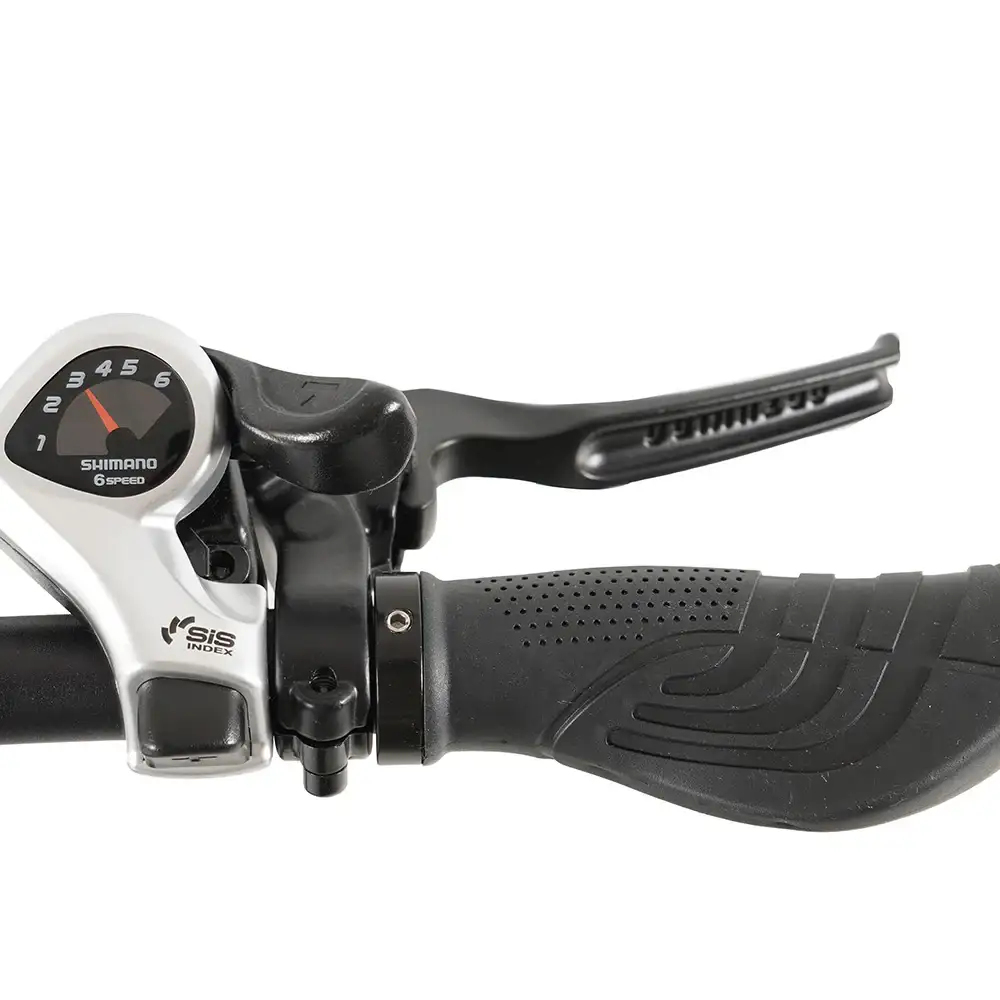
The rear footpads deserve a specific mention, because they’re the kind of texture detail that separates a bike designed for passengers from one that just tolerates them: they’re wide, grippy, and angled slightly inward rather than flat, which keeps a passenger’s feet from sliding forward under braking. It’s a small manufacturing decision, but it’s the sort of thing you only notice once you’ve ridden a cargo bike without it.
What’s less consistent is the paperwork. The manufacturer’s own retail listing and its BuyBestGear mirror both quote a 150kg payload; a separate reseller page for the same bike quotes 180kg. Neither cites a test method. For a bike built around carrying weight, that’s not a rounding error — it’s a sign that at least one of these listings is copy-pasted from a different HQ-series model without being re-verified. I’d plan around the lower, more conservative number.
Technical Specifications
The spec sheet below reflects the figures most consistently repeated across the HQ20’s primary retail listings, with discrepancies noted where they exist.
| Spec | CMACEWHEEL HQ20 |
|---|---|
| Motor | 500W nominal / 900W peak brushless rear hub, 68 N·m max torque |
| Battery | 48V 20Ah (960Wh), LG 21700 cells, removable, ~5kg |
| Claimed range | 80–100km pedal-assist / 60–80km throttle-only |
| Top speed | 25 km/h (EU pedelec limit) |
| Brakes | Hydraulic disc, front and rear (KTET) |
| Gearing | Shimano 6-speed |
| Tires | 20 x 2.4″ CHAOYANG |
| Frame | 6061 aluminum alloy, foldable stem |
| Max payload | 150kg (listings range 150–180kg — see note above) |
| Weight (unloaded) | ~33kg |
| Water resistance | IP65 claimed |
| Charger | 48V 2A |
| Price (EU) | €1.199 (verify at checkout) |
All specifications are manufacturer-claimed. Real-world performance will vary with usage conditions, environment, and individual configuration.
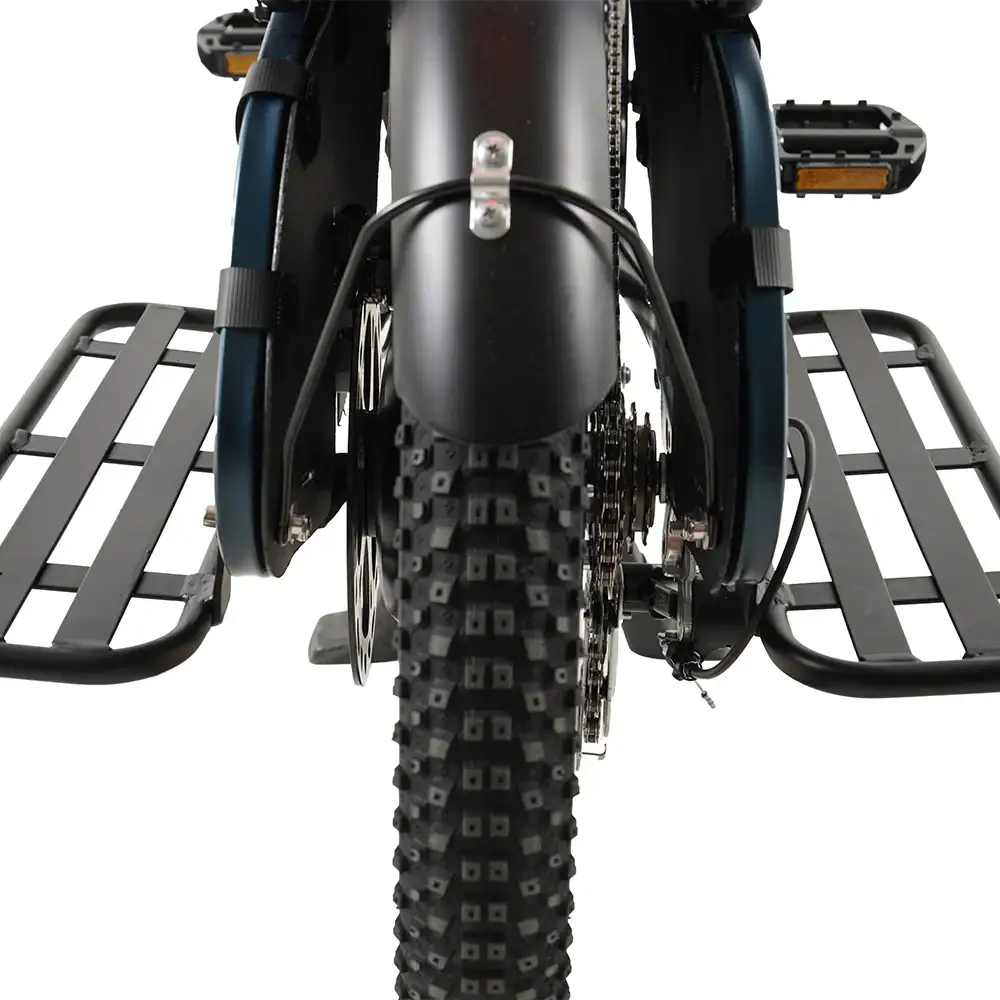
One number worth sitting with: that’s a 500W nameplate motor. EN 15194, the EU’s technical standard for e-bikes treated as ordinary bicycles, defines a legal pedelec by two things together — a 25 km/h assistance cutoff and a continuous rated motor power of 250W. The HQ20 hits the first condition. Its motor’s nameplate rating doesn’t hit the second. That doesn’t necessarily make the bike illegal to ride on EU cycle infrastructure — enforcement in practice tends to focus on the 25 km/h cutoff — but it does mean the HQ20 sits in the same gray zone as several of its direct competitors, a point covered in more depth in the Engwe P20 review, where the same 250W threshold is unpacked in full.
Performance
68 N·m of torque is a genuinely useful number on a loaded cargo bike, and it shows up most on starts — pulling away from a dead stop with a passenger on the rear rack is where hub motors with less torque bog down, and 68 N·m is enough headroom that it doesn’t. Climbing is a different story. Manufacturer materials cite a 30° gradient rating; that figure almost always assumes a light rider, no cargo, and a short pitch rather than a sustained one. Loaded with a passenger and groceries, a hub motor at this power level will feel noticeably slower on anything past a moderate, sustained grade — this isn’t unique to the HQ20, but it’s worth setting expectations against the marketing number rather than around it.
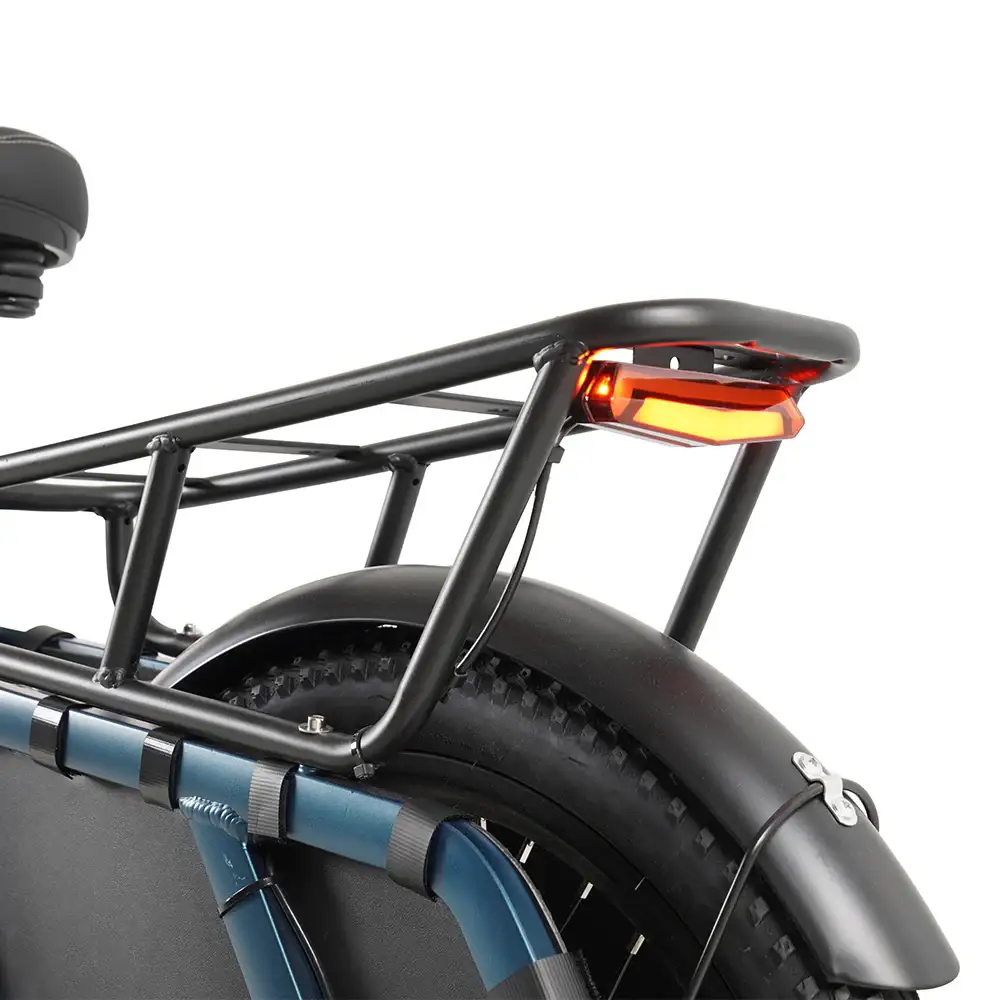
One independent criticism that doesn’t come from any of CMACEWHEEL’s own marketing: the Shimano 6-speed gearing on the HQ20 sits a tier below what direct competitors offer at similar or lower prices — the Fiido T2 ships 7-speed, and the Lankeleisi Wombat-1 also runs Shimano 7-speed. It’s a budget-tier component choice on an otherwise mid-tier bike, and it’s the kind of thing that only becomes noticeable on long rides where a slightly lower first gear would have helped on a hill.
Comfort and Handling
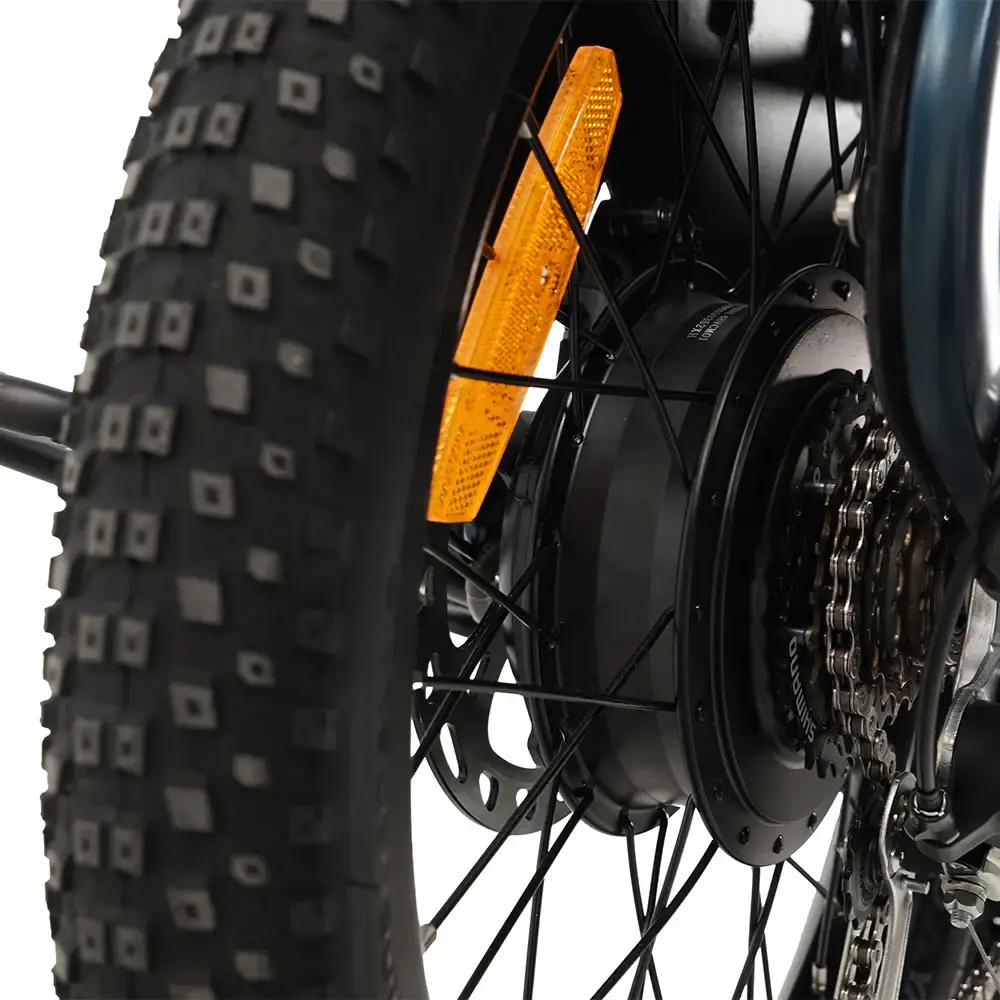
Longtail cargo bikes handle differently loaded than empty, and the HQ20 is no exception — the extra weight over the rear wheel actually settles the bike at speed rather than making it twitchy, which is the more common failure mode on cheaper longtails. Unloaded, the step-through frame and low standover make it approachable for shorter riders in a way a lot of fat-tire ebikes in this price bracket aren’t.
Here’s the honest limitation: at roughly 33kg unloaded, this is not a bike you carry up a flight of stairs, wheel over a curb solo, or lift into an SUV without a ramp. The front suspension fork takes the edge off rough pavement, but it doesn’t change the fundamental math of the bike’s mass. Anyone shopping this for a fourth-floor walk-up apartment with no elevator should treat that as a dealbreaker, not a footnote — CMACEWHEEL doesn’t offer a lighter trim of the HQ20, and no accessory changes that number.
Battery and Range
This is where the numbers stop lining up. CMACEWHEEL’s own retail materials claim 80–100km of pedal-assist range from the 960Wh battery. Run the standard energy-per-kilometer math that applies across the category — roughly 15–20 Wh per km for a loaded cargo ebike at moderate assist — and 960Wh realistically supports something closer to 48–64km. That’s a 40–56% gap between the marketing figure and the physically plausible one, which crosses well past the threshold where it needs calling out directly rather than repeated at face value.
None of this means the battery is undersized — 960Wh is genuinely large for the category, matching what’s found on the pricier Lankeleisi MG600 Plus, which uses the same 48V 20Ah Samsung 21700 cell format. It means the claimed top-end range belongs in the same bucket as most e-bike marketing numbers: a best-case lab figure, not a planning number. Budget for the lower end of that range if you’re riding loaded, on mixed terrain, or in cold weather, all of which pull battery capacity down further.
Charging is handled by a 48V 2A charger, which is on the slow side for a 20Ah pack — expect somewhere around 9–10 hours for a full charge from empty, noticeably longer than the faster chargers some competitors now ship as standard.
Display and Controls
The torque sensor is the headline control feature, and it behaves the way torque sensors generally do compared to cadence-based systems: assist arrives proportional to how hard you’re pushing, not on a fixed step. Where it’s noticeably different from higher-end torque sensor implementations is at the very first pedal stroke from a dead stop — there’s a beat of near-nothing before the motor picks up the pedaling force, which reads as slightly hesitant compared to premium torque sensor units on pricier bikes, though it disappears entirely once moving.
Beyond that, the control layout is what you’d expect at this price: a basic backlit display showing speed, battery percentage, and assist level, handlebar-mounted buttons, no companion app, no Bluetooth. That’s not a criticism so much as a category norm — most bikes in the sub-€1,500 cargo segment skip app connectivity entirely, reserving it for bikes a tier up.
Accessories and Extras
In the Box
- 48V 20Ah battery pack
- 2A charger
- Pre-installed rear cargo rack
- Rearview mirror
- Front and rear mudguards
- Spoke reflectors and assembly toolkit
Recommended Upgrades
A front basket isn’t included and is worth adding immediately for anyone carrying loose cargo rather than a passenger — the rear rack alone doesn’t contain groceries well without one. A second battery is the other upgrade worth budgeting for, given how far the real-world range falls from the claim; at 5kg it’s light enough to carry as a spare without much penalty.
Model Comparisons
vs Fiido T2 (EU)
| Spec | CMACEWHEEL HQ20 | Fiido T2 (EU) |
|---|---|---|
| Motor | 500W / 68 N·m | 250W / 55 N·m |
| Battery | 960Wh | 998.4Wh |
| Claimed range | 80–100km | Up to 136.26km |
| Payload | 150kg | 200kg |
| Brakes | Hydraulic disc | 4-piston hydraulic (230mm) |
| Gearing | 6-speed | 7-speed |
| Weight (with battery) | ~33kg | 39.5kg |
| EN 15194 compliant | No — 500W nameplate | Yes — 250W nameplate |
| Price (EU) | €1.199 | €1.399 (sale) |
Key differences: The Fiido T2 wins on payload, brake hardware, gearing, and — critically — genuine EN 15194 compliance at the motor level, not just the speed cutoff. The HQ20 undercuts it on price and offers slightly more torque for hill starts. For anyone planning to carry two children or heavier cargo regularly, the T2’s 200kg rating and larger brake rotors are the more defensible choice even at the higher price.
vs Lankeleisi Wombat-1
| Spec | CMACEWHEEL HQ20 | Lankeleisi Wombat-1 |
|---|---|---|
| Motor | 500W / 68 N·m | 1000W / 75 N·m |
| Battery | 960Wh (48V 20Ah) | 960Wh (48V 20Ah Samsung) |
| Claimed range | 80–100km | Up to 150km (PAS) |
| Payload | 150kg | 200kg |
| Gearing | 6-speed | Shimano 7-speed |
| Weight | ~33kg | 37kg |
| Price (EU) | €1.199 | €1.999 (sale) |
Key differences: The Wombat-1 nearly doubles the price for a 1000W motor and higher payload — both bikes sit outside strict EN 15194 nameplate compliance despite EU speed-limiting to 25 km/h, so neither has a regulatory edge here. At the €1.199 HQ20 price point versus €1.999, the Wombat-1’s extra headroom is hard to justify unless the higher payload rating is a hard requirement.
Worth noting for anyone comparing brands directly: after-sales support on direct-from-China cargo ebikes generally routes through whichever reseller processed the order rather than a unified regional service center, and communication can run through email with longer turnaround than EU-based competitors offer. One documented case involving a different CMACEWHEEL model (the RX20 Max) described a failed front hub motor and a slow factory response — not evidence of a pattern specific to the HQ20, but a reasonable data point on what to expect if something does go wrong, and a good reason to buy from an established EU reseller like BuyBestGear rather than a smaller mirror site.
FAQ
Is the CMACEWHEEL HQ20 street-legal in the EU?
It meets the 25 km/h pedal-assist cutoff that defines a legal pedelec in most EU countries. Its 500W motor nameplate, however, exceeds the 250W continuous-power threshold set by EN 15194, which is the technical standard most national authorities reference. In practice, enforcement tends to focus on the speed cutoff rather than the nameplate rating, but riders in countries with stricter checks should confirm local rules before buying.
How far can the CMACEWHEEL HQ20 actually go on one charge?
The manufacturer claims 80–100km on pedal assist. Based on the battery’s 960Wh capacity and standard energy consumption for a loaded cargo ebike, a more realistic range is 48–64km under everyday riding conditions. Cargo weight, hills, and cold weather will push that figure toward the lower end.
How much weight can the HQ20 carry?
The manufacturer’s primary listing cites 150kg total payload, including rider and cargo. One reseller lists 180kg instead; we recommend planning around the lower, more consistently repeated figure.
Is the CMACEWHEEL HQ20 good for climbing hills?
The 68 N·m hub motor handles moderate inclines and loaded starts well. On sustained steep climbs while fully loaded, expect noticeably slower assisted speed, as is typical for hub-motor cargo bikes at this power level.
What’s the warranty on the CMACEWHEEL HQ20?
Warranty terms vary by which reseller processes the order. One authorized reseller cites a 2-year frame warranty, 365-day electronics coverage, and 180-day coverage on mechanical parts, with consumables like brake pads excluded. Confirm the exact terms with your specific retailer before purchasing.
Can the HQ20 carry a child passenger?
The longtail rear rack and rear footpads are designed to accommodate a passenger, and the 150kg payload rating leaves room for a rider plus a child. A dedicated child seat or seat cushion is sold separately rather than included.
How long does the battery take to charge?
The included 48V 2A charger takes roughly 9–10 hours for a full charge from empty on the 20Ah pack, slower than the faster chargers some competitors now include as standard.
Final Verdict
At €1.199, the CMACEWHEEL HQ20 undercuts the Fiido T2 by roughly €200 while matching its battery class and beating it on motor torque. That’s a legitimate value case for anyone whose main requirement is hauling weight around town on a budget. The 960Wh battery, hydraulic brakes on both wheels, and a payload that covers a rider plus a child or a full grocery run are real strengths, not marketing filler — this is a capable cargo bike at a genuinely competitive price.
Set against that: the range claim doesn’t survive contact with basic battery math, the payload figure depends on which listing you read, and support runs through a network of resellers rather than one authoritative source — a pattern common across this whole category of direct-from-China ebikes, and worth weighing alongside the price rather than after it. Compare that against a bike like the Kingbull Literider 2.0, where the same range-inflation problem shows up on a completely different bike from a different manufacturer — this isn’t a CMACEWHEEL-specific flaw, it’s an industry habit that buyers in this price bracket need to budget for.