
Samsung’s LPCAMM: Compact Memory for Laptops and Servers
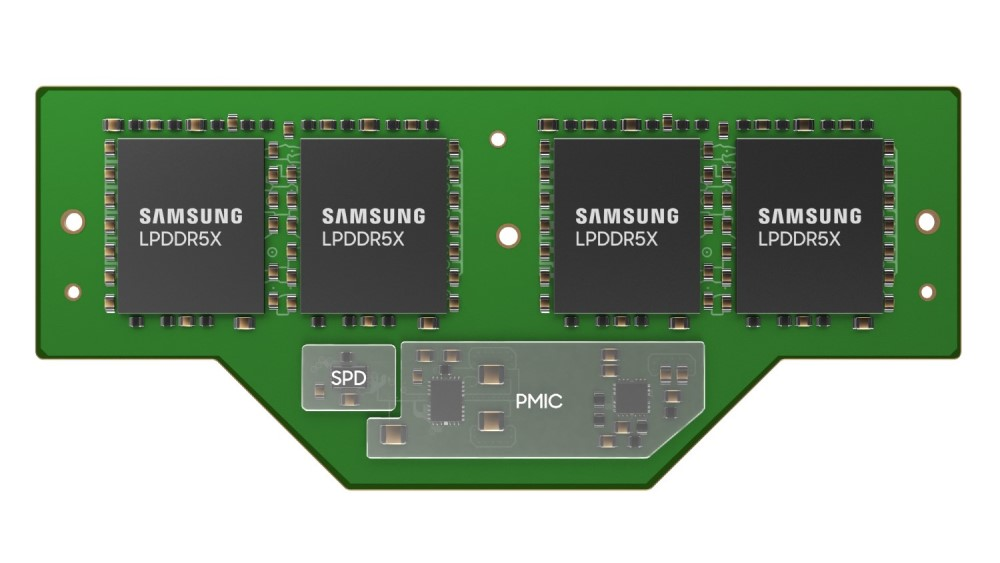
Samsung has introduced a groundbreaking memory innovation, the Low-Power Compression Attached Memory Module (LPCAMM), poised to revolutionize memory solutions in top-tier laptops and PCs.
Currently, LPDDR and SODIMM RAM dominate the landscape of computer memory. LPDDR, though compact, is intricately linked to the motherboard, rendering replacement a formidable challenge. On the other hand, SODIMM RAM, typically found in laptops, offers ease of detachment but falls short in terms of performance capabilities.
In stark contrast, Samsung’s LPCAMM memory boasts remarkable attributes. It boasts a staggering 60% reduction in size compared to SODIMM-based memory while delivering a substantial 50% performance boost and an impressive 70% increase in power efficiency, according to the company’s claims.
LPCAMM’s Potential Impact on Servers
Amid growing concerns about power efficiency and sustainability within the tech industry, Samsung sees LPCAMM as a potential solution to both issues. The company has already completed system verification in collaboration with Intel.
With its superior power efficiency compared to traditional options like LPDDR5 RAM and the ease of swapping it in and out, Samsung aims to encourage widespread adoption of this technology in the years to come. Additionally, the technology’s energy-saving features position it as an attractive choice for servers and broader IT infrastructure.
While LPDDR RAM includes power-saving features beneficial for data centers’ total cost of operation, it also introduces challenges. Replacing LPDDR RAM often requires replacing the entire motherboard, particularly when upgrading the DRAM specification.
LPCAMM, with its modular design, offers a compelling alternative for data center operators seeking to reduce energy consumption and simplify component replacement in server systems.
Samsung plans to conduct testing of LPCAMM in next-generation systems with its customers this year, with the aim of commercializing the technology next year.




Add comment