WWDC 2026 Apple Keynote: What Apple Actually Needs to Deliver on June 8
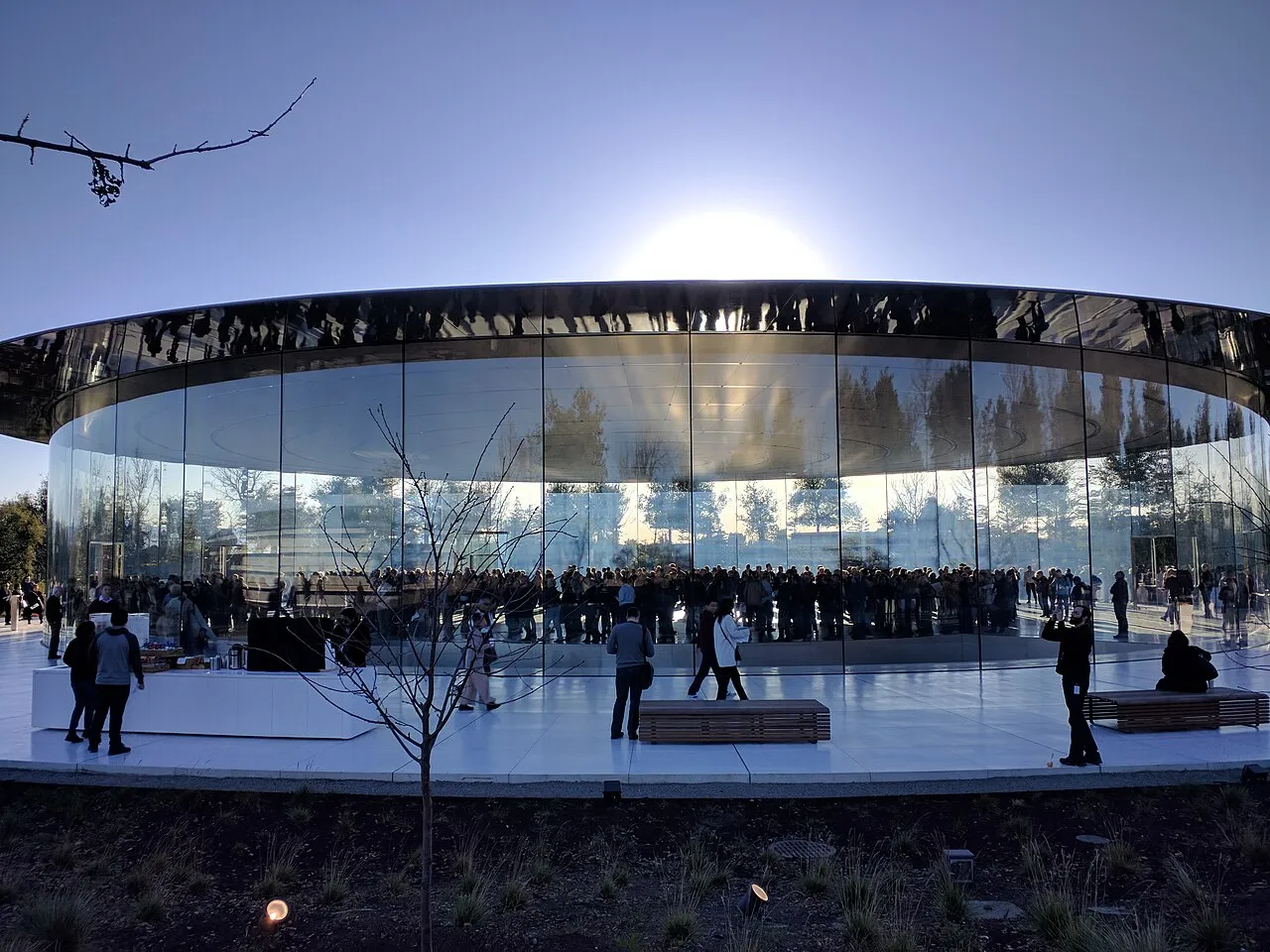
Four days from now, Tim Cook walks onto a stage in Cupertino for what may be the last time as CEO. WWDC 2026 kicks off Monday, June 8 at 10 a.m. PT — and the stakes are about as high as they’ve been for any Apple event in the last decade. This isn’t just about showing off iOS 27. It’s about Apple proving, in real time, that it still knows how to lead.
We’ve spent the past two years watching Apple promise a smarter Siri, deliver almost nothing, and quietly blame internal restructuring. That grace period is gone. WWDC 2026 is where Apple either closes the gap with its AI rivals — or admits, implicitly, that it can’t. I don’t think Apple will admit that. But I do think the format of this keynote matters almost as much as the content.
- WWDC 2026 opens June 8 at 10 a.m. PT — Apple has confirmed the focus will be “AI advancements” across all platforms
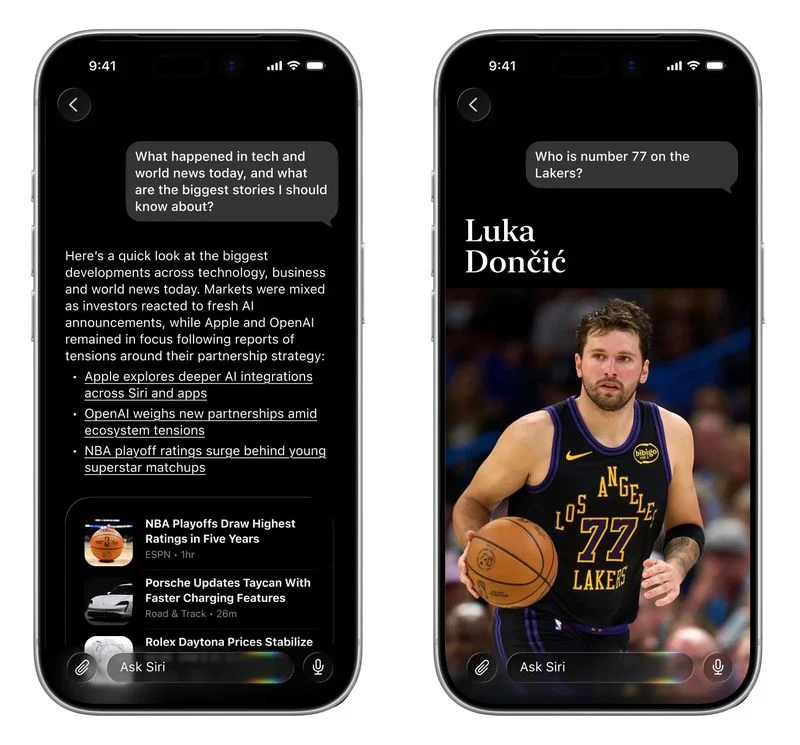
- A rebuilt Siri is expected: dedicated app, iMessage-style chat history, Dynamic Island integration, and Google Gemini powering part of the backend
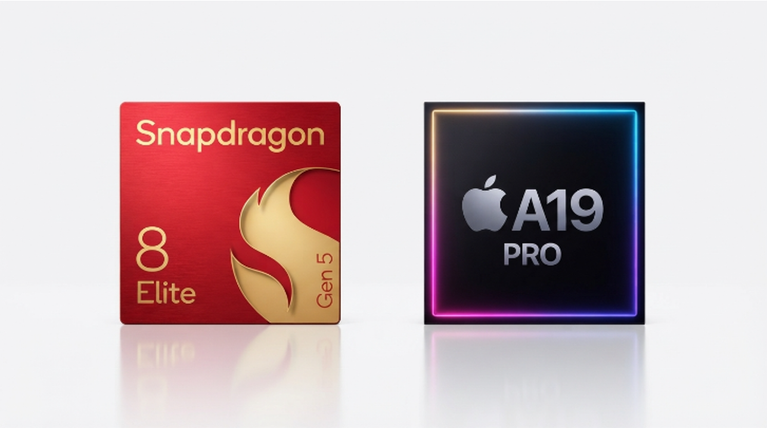
- iOS 27 drops support for the iPhone 11 — and new Siri features require iPhone 15 Pro or later, making chipset the real gating factor
- This is Tim Cook’s final WWDC as CEO before John Ternus takes over in September 2026
- The format of the keynote — live vs. pre-recorded — may matter as much as the announcements themselves
Contents
Why This WWDC Is Different
Apple’s annual developer conference has always carried weight. But most years, the stakes are roughly: will the new OS features land well? This year the question is bigger. Apple spent WWDC 2024 promising a personalized, context-aware Siri that could act across apps. It spent WWDC 2025 introducing “Liquid Glass” and largely sidestepping AI altogether. Two years of setup with almost nothing shipped. That pattern has consequences — developer trust erodes quietly, and then all at once.
The competitive context is also different now. Google, OpenAI, and Anthropic have all shipped conversational AI that users actually interact with daily. Apple’s answer has been philosophically sound — on-device processing, private cloud compute, privacy as a structural guarantee — but the products haven’t kept pace with the pitch. Apple’s own framing for this conference signals they know it: the official description explicitly calls out “AI advancements” as the headline theme, which is unusual language for a company that usually buries the lead.
Then there’s the context that has nothing to do with software. Tim Cook is leaving. He will step down as CEO in September, handing the role to John Ternus just as the iPhone 18 lineup ships. That makes June 8 his last opportunity to set the narrative on his own terms — before the quarterly earnings calls and the product handoffs take over. I think he knows that. Whether Apple lets him use the moment is a different question.
What the New Siri Actually Looks Like
Bloomberg’s Mark Gurman has laid out the shape of iOS 27’s Siri overhaul in enough detail that there are almost no surprises left — which is its own problem for the keynote, but that’s a separate conversation. Here’s what’s been reported with high confidence:
Siri gets a standalone app with a chat interface modeled after iMessage — saved conversation history, a clean back-and-forth layout, and automatic conversation purging for privacy. There’s also a new “Search or Ask” gesture: swipe down from the top of the screen to pull up an AI prompt bar in the Dynamic Island. From there, you can launch apps, draft messages, check the weather, set reminders, or run shortcuts without opening anything. Siri’s animated indicator moves from the bottom of the screen to the Dynamic Island as well, which is a small change that signals a larger repositioning — Siri is becoming a system-level presence, not a sidebar feature.
What powers it matters most. Apple announced in January 2026 that a custom version of Google’s Gemini model — a 1.2 trillion-parameter build, per reporting — is helping power Apple Foundation Models. Bloomberg pegged the deal at roughly $1 billion annually, though neither company has confirmed the figure. The practical result is a Siri that can handle more complex queries than Apple’s on-device models alone could manage, while the privacy architecture routes sensitive data locally when possible.
There’s a catch that most coverage glosses over. The full new Siri — with Apple Intelligence, on-screen awareness, and in-app actions — requires an iPhone 15 Pro, iPhone 15 Pro Max, or any iPhone 16 or later. iOS 27 itself will run on the iPhone 12 and newer (dropping the iPhone 11), but the headline feature is behind a chip wall. Anyone still on an iPhone 14 or an iPhone 15 non-Pro gets iOS 27 without most of what makes it interesting. That’s worth saying clearly before the keynote hype sets expectations it can’t meet.
The Case for a Live Demo
Apple has spent the better part of four or five years doing WWDC keynotes the same way: a brief live opening, then an hour-plus of pre-recorded video segments, polished to remove every rough edge. The format produces great TV. It also produces exactly zero trust.
The problem isn’t production values. It’s that a pre-recorded Siri demo tells you nothing. Of course it works in a video Apple made. The question — the only question that matters after two years of delays — is whether it works on an iPhone someone is holding, with real-world apps, in front of a room full of developers who will immediately go try to break it. A live demo with visible failures is more convincing than a flawless pre-recorded one, because flawless pre-recorded things don’t exist in real life.
In our view at NewForTech, this is the single biggest lever Apple can pull on June 8. Not the features — those are largely known. The proof. Show Siri drafting an email from onscreen context. Show it pulling information from Notes and Calendar simultaneously. Let something go slightly wrong and recover from it. That’s what shifts perception, and perception is most of what Apple is fighting right now.
There is precedent. Steve Jobs demoed hardware and software live at WWDC for years, including a few moments where things visibly went sideways. The audience responded to the honesty of it. They could see someone actually using the thing. That kind of credibility is hard to manufacture in post-production.
Cook, Ternus, and the Handoff
This is the part of WWDC 2026 that nobody knows how to talk about yet, so most coverage avoids it. Tim Cook has been CEO since August 2011. In that time, Apple became the first company to hit a $3 trillion market cap. Revenue went from roughly $108 billion in fiscal 2011 to over $400 billion by 2025. He also navigated supply chain crises, a global pandemic, trade war tariffs, and the early messy years of Apple Silicon. That’s not a minor tenure.
And yet. The AI reckoning happened on his watch. Siri fell behind not because the engineers weren’t capable but — according to Fortune’s April 2026 reporting citing someone close to both executives — because Cook’s instinct when presented with two options was to ask more questions rather than choose. Ternus, by contrast, picks one. Whether that’s better depends on what you’re deciding. For AI product velocity, it probably is.
What I want to see at WWDC 2026 is Cook getting actual time onstage — not a 90-second intro before the videos start. Acknowledge the delays. Acknowledge the gap. Then hand the Siri portion to Ternus and let the incoming CEO walk through what the new assistant can do. That sequence would communicate more about Apple’s direction than any slide deck. It would also be an honest accounting, which is something Apple hasn’t really done publicly on this topic. I’m not sure Apple will do it. But they should.
The Hardware Wildcard
WWDC is officially a software event. Unofficially, hardware shows up when Apple needs to make a statement — the cylindrical Mac Pro launched there, and so did Vision Pro. Neither of those were small moments.
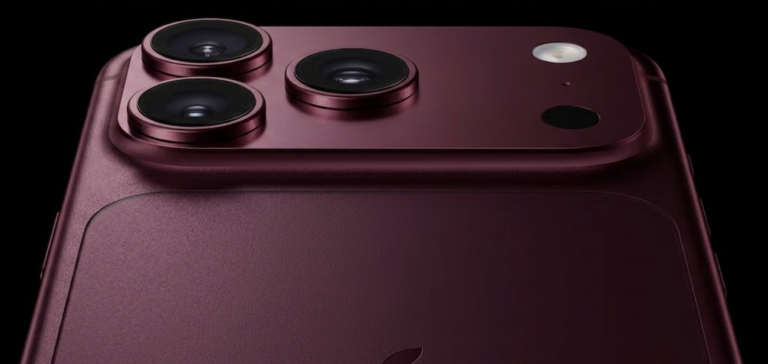
There are two pieces of hardware that could plausibly appear on June 8. The first is the iPhone Ultra, Apple’s rumored folding device. The argument for revealing it at WWDC rather than waiting for September isn’t marketing — it’s practical. A foldable iPhone makes specific demands of iOS 27: multitasking layouts, split-screen logic, display continuity between fold states. If those features are baking into the iOS 27 betas that developers get access to starting next week, they can’t be hidden. Showing the device alongside the OS would be the honest play. It would also give Cook a genuine “one more thing” moment before he hands off the keynote stage permanently.
The second is Apple’s AR glasses. Less likely, but not impossible. If Cook walked out wearing them — casually, without drawing attention to them — and only revealed what they were at the close of the keynote, that would be the kind of moment people talk about for years. Both of these remain speculative. But both have enough circumstantial support to be worth watching for.
What We Still Don’t Know
The leaks have been unusually thorough this year — iOS 27’s Siri UI, the Dynamic Island integration, the Safari redesign, the customizable camera app — most of it has surfaced already through Gurman and follow-on reporting. That means the keynote’s job isn’t to surprise people on features. It’s to answer the questions the leaks can’t.
Specifically: when does the new Siri actually ship? Is it September with iOS 27’s public release, or is Apple going to do another phased rollout that drags into 2027? How broadly does Apple plan to make Gemini-powered features available, and what happens to users who’ve specifically chosen Apple devices for privacy reasons and now have Google infrastructure in the mix? And what does the Siri experience look like for the hundreds of millions of people on iPhone 14 or older hardware — do they get anything meaningful, or just a new app icon?
These are the questions a live demo with an honest Q&A could answer. A polished video cannot. That’s the gap Apple needs to close, and it has exactly one shot to do it before the feature ships to the public.
Our Take
Apple doesn’t need a perfect keynote. It needs an honest one. The features in iOS 27 are real and, by most accounts, substantive — a rebuilt Siri, a cleaner camera interface, iOS 27 bug fixes that reviewers have been asking for since iOS 26. The problem is that Apple has trained its audience to distrust the polished presentation format after two years of promised-but-undelivered features. Breaking that pattern requires doing something the pre-recorded format physically cannot: failing in public and recovering from it.
Show the new Siri on a real iPhone, live. Give Tim Cook enough stage time to acknowledge what the past two years actually looked like. Let Ternus walk through where Apple is going. And if there’s hardware to show — a folding device, AR glasses, anything tangible — bring it out.